
-
How to Cook Swordfish?

Swordfish is a firm-textured meaty fish with a slightly sweet flavor. It can be made with or without the marinade, and fresh herbs are frequently used in oil-based marinades. It’s commonly cut into 1-inch (2.5-cm) fillets and grilled or cooked like a rare beef steak. Though the skin is frequently discarded because of its rubbery…
-
Louisiana Hot Links Nutrition Facts

Are you curious about the Louisiana Hot Links nutrition facts? If so, you’ve come to the right place. Read on for the nutrition facts for Louisiana Hot Links, including the calories and protein content. The smoked sausage is all-meat and packed with flavor. These sausages are an excellent choice for jambalaya and gumbo and great…
-
Pumpkin Seeds Nutrition Facts

Pumpkin seeds are a filling, calorie-dense snack that includes various vitamins and minerals. You might be concerned about the calories in pumpkin seeds if you’re attempting to lose weight. On the other hand, Pumpkin seeds can help prevent cravings for empty-calorie snacks while still providing your body with the nutrition it requires. The USDA offers…
-
How to Make Beetroot Juice?

Beet juice is a nutritious and healthful drink that make frequently. This beet juice is refreshing, healthful, and highly delicious, and it’s packed with health benefits while relieving your thirst. Using this recipe as a foundation, you may produce this juice in various flavors. This is a simple dish that can be made with or…
-
How to Cook with Kabocha Squash?

Kabocha squash is a common ingredient in Japanese cooking. You may have had it dipped in tempura batter and fried in restaurants or slow-cooked in hot pots or soups. While this winter squash resembles a short, stocky cousin of the pumpkin, it has a sweet potato-like flavor and texture. The rugged, deep-green skin gives way…
-
How to Tell if Tamarind is Bad?

Tamarind is the fruit for you if you like sweet, tart, and sour flavors. When tamarind is mature, it can be eaten raw or cooked to add taste, and Tamarind typically doesn’t last long after it’s been harvested. Now that you’ve learned about various elements of tamarind, it’s time to learn about the signs that…
-
Fruit Juice Nutrition Facts

Fruit juice is always good because it has all the nutrients you need while keeping you hydrated. You can feel better about your overall health. Fruit juice can help to enhance the immune system while also being a health promoter and disease preventer. Fruit juice is extracted from the fruit’s flesh or the entire fruit.…
-
Coconut Water Nutrition Facts

Coconut water is the transparent liquid inside coconuts instead of coconut milk, a mixture of coconut water and grated coconut. Coconut water is low in sugar and calories and has a slightly sweet, nutty flavor. Electrolytes such as potassium, sodium, and magnesium, on the other hand, aid in restoring lost nutrients. That means it’s a…
-
The Best Party Punch Recipes

Whether throwing a holiday party or simply hosting a casual dinner with friends, having a punch recipe on hand is a must-have for entertaining. Punch recipes are ideal for entertaining because they allow you to batch-mix the beverages, saving you time while your guests are serving themselves. There are non-alcoholic and alcoholic party punch recipes…
-
Bang Caffeine Nutrition Facts

Listed on the ingredients list as “Caffeine,” the Bang energy drink contains more than 300 mg of caffeine per serving. Contrast that with an average 8-ounce cup of brewed coffee, which contains about 95 mg of caffeine per serving, and a 12-ounce can of Red Bull, which has 111 mg of caffeine per serving.
-
The Best Rosh Hashanah Recipes

You may make a noodle kugel for dessert. This traditional Rosh Hashanah meal serves, but it can easily be halved or quartered to serve six. You can also use raisins, figs, or almonds instead of apples and pomegranate seeds. A kosher meat meal can also be served. Don’t be scared to utilize dairy-free alternatives if…
-
Cashew Nut Nutrition Facts
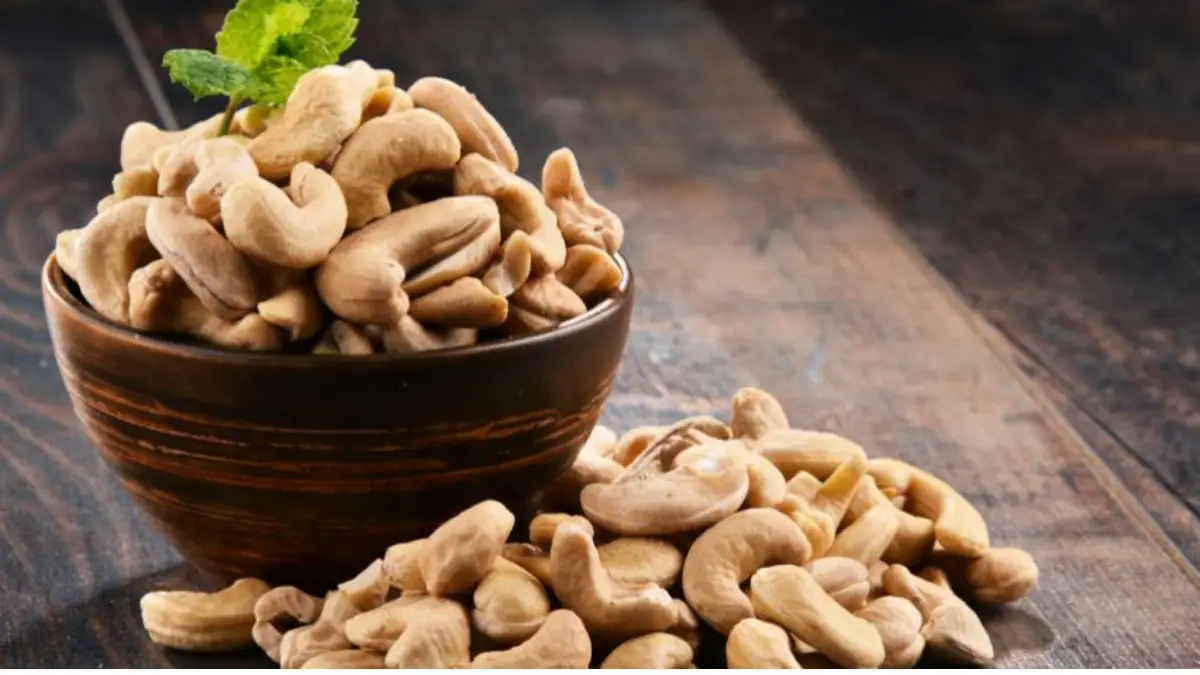
The cashew nut is native to Brazil and is farmed in Vietnam, Nigeria, India, and the Ivory Coast. The evergreen cashew tree (Anacardium occidentale) produces both a fruit (also known as an apple) and a nut (also known as a seed) that hangs beneath the fruit. Cashews are eaten as a snack on their own,…
-
What is Polenta?

Polenta is a mush or porridge made from cornmeal that originated as a peasant cuisine in Northern Italy. Although it isn’t very well-known in the United States, it is a staple that many Italian Americans consider part of their culture. Though coarse yellow cornmeal is most commonly used, polenta can also be made with finely…
-
Leek Nutrition Facts

Indonesia, Turkey, France, the Republic of Korea, and Belgium are the top producers of leeks, which are a member of the onion family and native to the eastern Mediterranean and the Middle East. Leeks resemble scallions (sometimes known as green onions), although they are much more significant. The vegetable’s mild flavor and ease of preparation…
-
Does Lemon Pepper go Bad?

Although lemon pepper might be a good salt substitute, many brands include a lot of sodium. Peppers, mainly cayenne pepper, are also good options. “From a cardiac aspect, lemon is an excellent salt alternative. Seasoning for fish, chicken, and steak, as well as salad dressings and marinades. Lemon pepper seasoning is similar to all-purpose seasoning…
-
What is Dango?

Dango is one of the most well-known wagashi (Japanese sweets) ever created. Dango is round. Sticky rice flour dumplings are served on a bamboo skewer. Every skewer usually has three to five dango balls on it. Red bean paste or additional toppings, such as a sweet soy sauce syrup, are frequently applied. Dango is soft…