Omelette Nutrition Facts

An omelet is the most excellent choice for breakfast. They are delicious, filling, and incredibly healthy. The omelet’s myriad health benefits, however, suffice on their own. If you focus your diet too much on foods rich in these nutrients over time, your insulin levels may rise, which can gradually hurt your general health. As long … Read more


Sunflower Seeds Nutrition Facts

Sunflower seeds are harvested from the bloom head of the plant. Despite having a shell with a black and white striped covering, sunflower seeds are white and delicate to the touch. The seeds, which have a distinctive nutty flavor and high nutritional value, can be eaten raw, roasted, or combined with other dishes. According to … Read more

Chayote Nutrition Facts

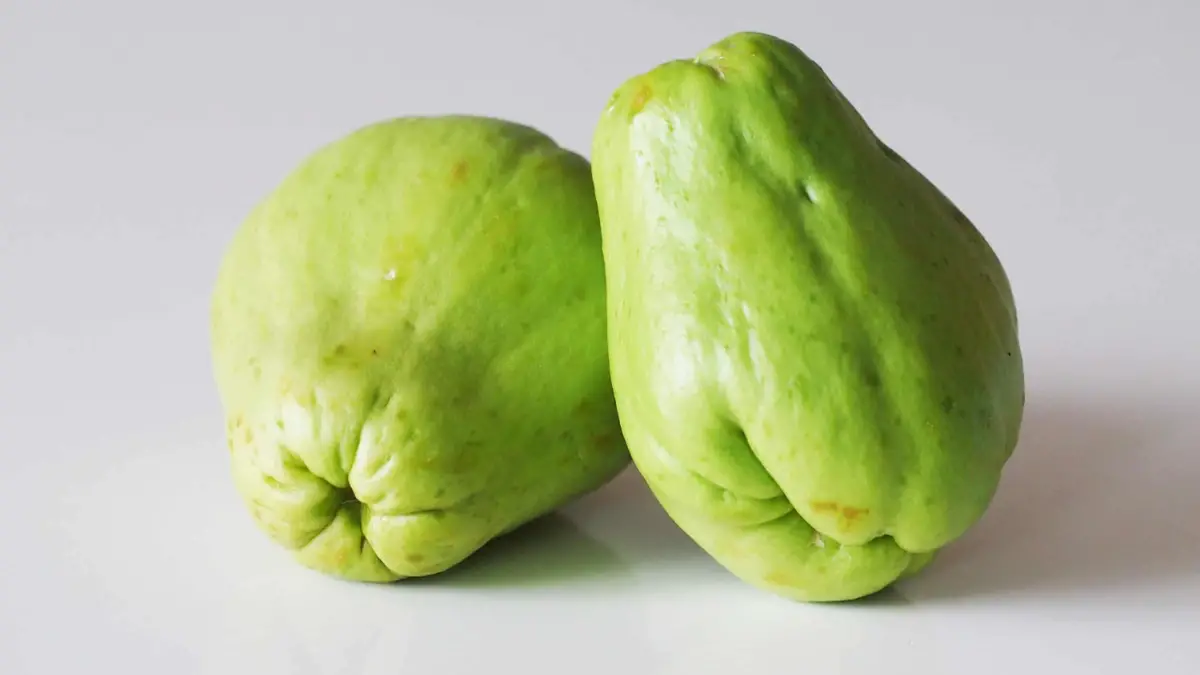
Chayote is the name of a thin-skinned squash that is Mexican in origin. The wrinkly green fruit, a member of the gourd family, is expected in the Southwest but is still viewed as a novelty item in most of the rest of the country. Chayote squash, though technically a fruit (Sechium edule), is eaten as … Read more

Prune Juice Nutrition Facts

If you want to know about Prune Juice, you will get all the crucial information about the Nutrition facts of Prune Juice in this article. The health benefits of various fruits and vegetables can be obtained in a single serving by drinking juice instead of eating them. Juice benefits one’s health and can be quickly … Read more

Oat Milk Nutrition Facts

Oat milk is a fantastic alternative for people with specific food allergies and intolerances because it is naturally devoid of lactose, nuts, and soy. If it is made using oats that have received a gluten-free certification, it is safe for persons with disorders associated with gluten. Due to its growing popularity, you can get it … Read more

Brown Rice Nutrition Facts

Brown rice is a nutritious, high-fiber grain linked with healthy eating. The bran layers generally removed from white rice are preserved in brown rice. This means brown rice includes vital phytochemicals such as essential amino acids, fiber, vitamins, flavonoids, and phytic acid. Because the primary supply of these nutrients comes from carbohydrates, many people on … Read more

Sago Nutrition Facts

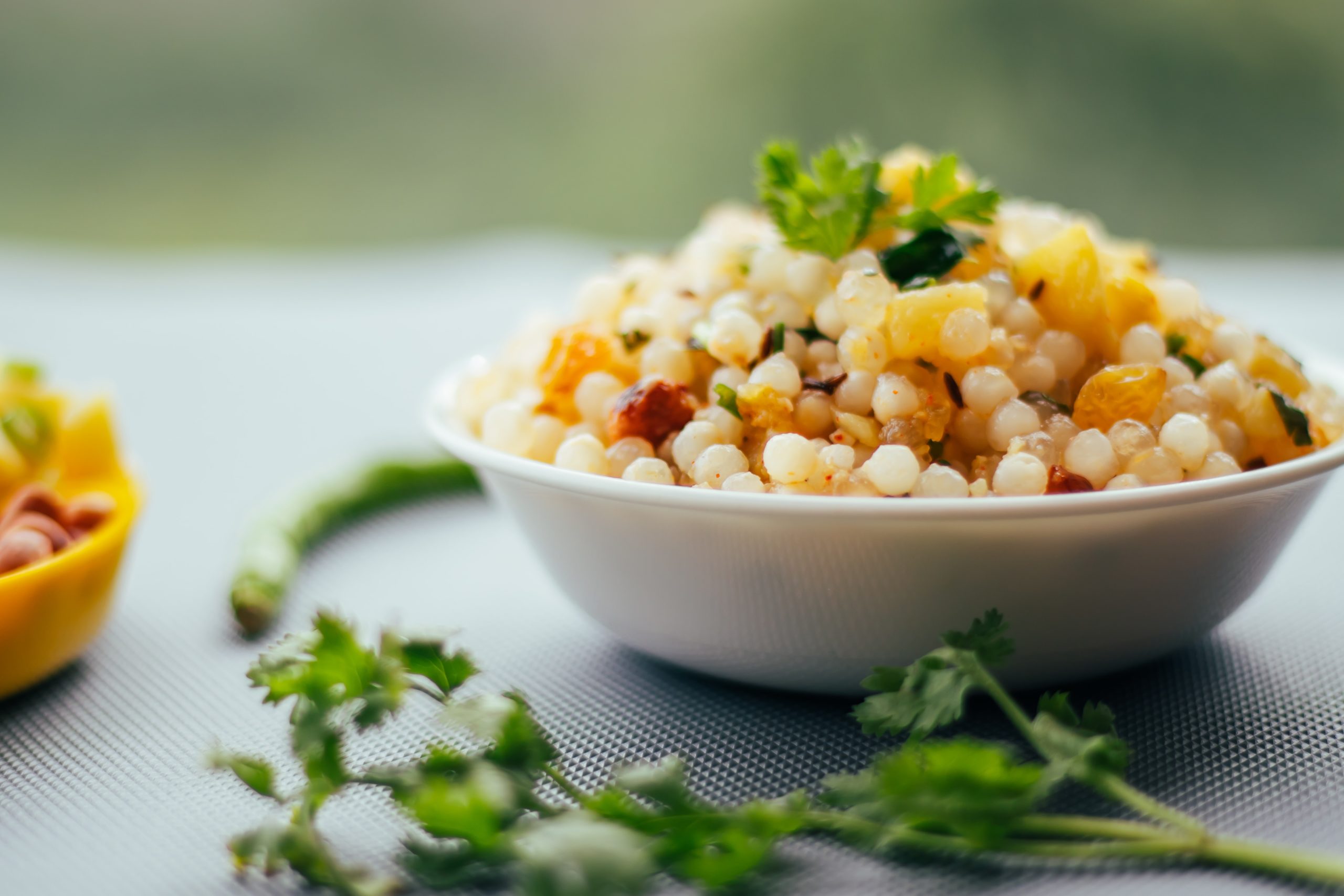
Sago contains a potentially high amount of calories, despite not being widely known for having a large variety of healthy nutrients. It has a lot of carbohydrates, like other starchy foods (potatoes, cassava, etc.), making it crucial in regions with a scarcity of energy. Sago may provide significant health benefits like weight gain, blood flow, … Read more

French Fries Nutrition Facts

French Fries

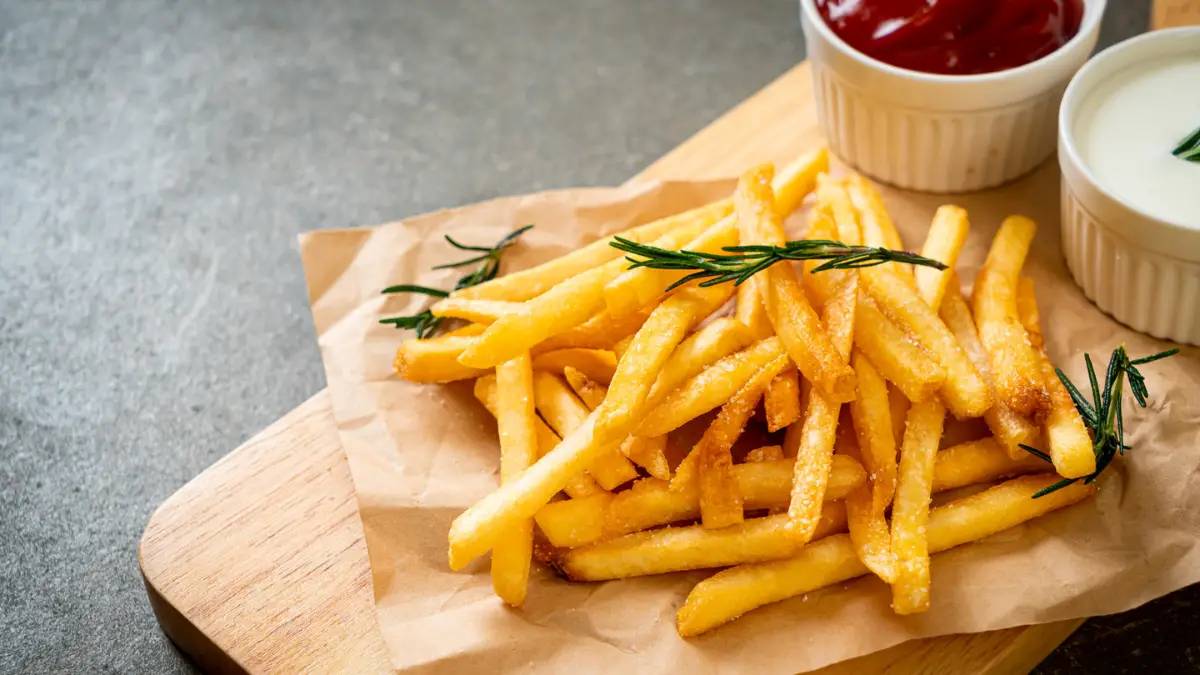
French fries are a staple side dish in many fast food restaurants, burger joints, and American homes. Although you may create the salty snack from scratch with raw potatoes, your favorite oil, and seasoning, many home cooks prefer to use frozen fries.

Artificial flavors, rice flour, and corn starch may also be present in commercially processed frozen french fries. Even though potatoes, the principal ingredient in french fries, are a low-calorie, low-fat food, generally, french fries are frequently high in fat, calories, and sodium.

Cornbread Nutrition Facts

Cornbread

The cornbread was made by early North American immigrants as an easy-to-transport and, more importantly, easy-to-cook food. It is still a fantastic and flexible meal despite having many different names and cooking methods, such as muffins, pancakes, sheet pan, casserole, and more. It is desirable if cornbread is made with vegetables.

Cornmeal, the ground corn used to make the bread’s foundation, is a whole grain, and gluten is often absent from cornmeal. Make sure no additional flours are added when using a mix to make cornbread, especially if you have gluten sensitivity or have celiac disease.

Tomato Soup Nutrition Facts

Tomato Soup

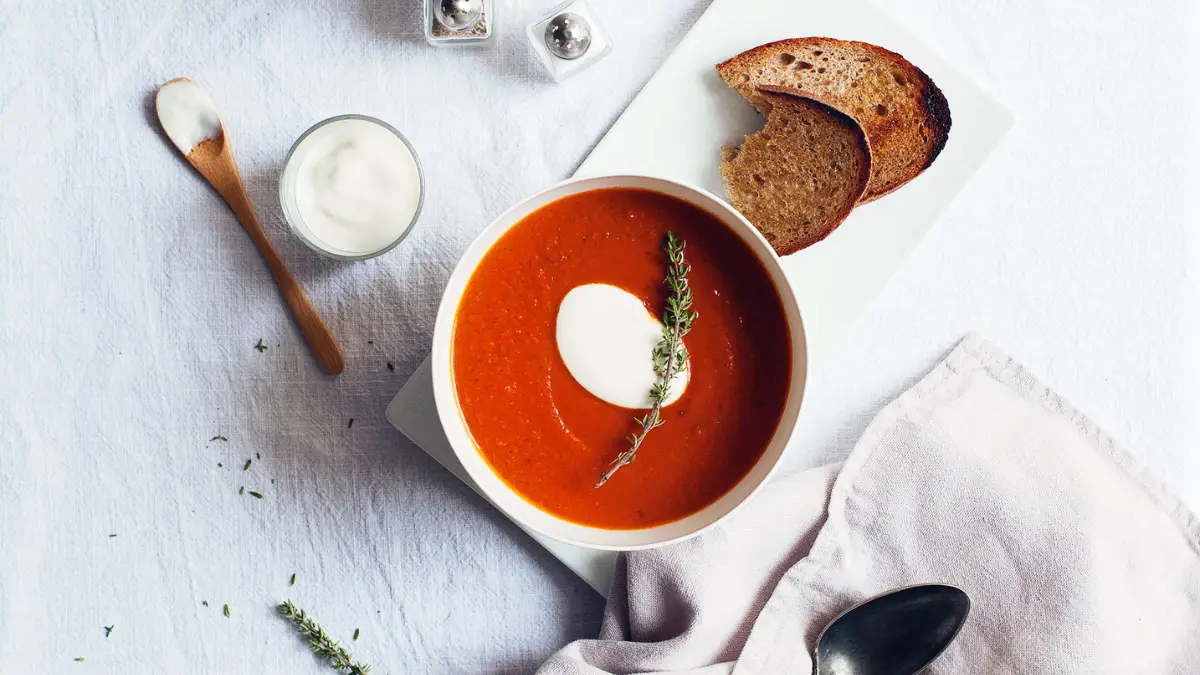
Have you ever questioned if a tomato is a vegetable or a fruit? Because they grow from blooming plant ovaries and have seeds, tomatoes are categorized as the fruit by botanists. But from a culinary standpoint, tomatoes are typically regarded as vegetables because they are prepared and served that way. So, savoring tomato soup could be a tasty method to maximize the health advantages of tomatoes. During the colder months, you may enjoy a hearty, warm bowl of soup or a cool, refreshing gazpacho.

The traditional tomato soup is a soup that can be eaten throughout the year.

Chorizo Nutrition Facts

chorizo

Chorizo, a sausage commonly seasoned with smoky peppers or paprika, is a staple of Portuguese, Spanish, and Brazilian cuisines. It adds flavor to sandwiches and soups, and when combined with diced vegetables, it makes substantial and satisfying portobello mushrooms. Although chorizo contains certain healthy ingredients, it also has some nutritional drawbacks, so you should only consume it infrequently.

One of the most popular and often consumed foods in Spain is chorizo. It is a sausage that is air-cured and made primarily from minced pork (but it can also be smoked).

Omega 3 Supplement Nutrition Facts

Omega 3 Supplement Nutrition Facts

If you’ve ever wondered whether you should take Omega 3 supplements, you may have noticed that the label does not tell you much. There is not enough research on the benefits of omega-3 fatty acids to determine the %DV. %DV is the recommended daily value, based on a 2,000-calorie diet. But the good news is that these supplements can provide numerous health benefits. Here are some facts you should know about these supplements:

One gram of EPA and DHA daily can help reduce your triglyceride levels.

Jellyfish Nutrition Facts

jellyfish

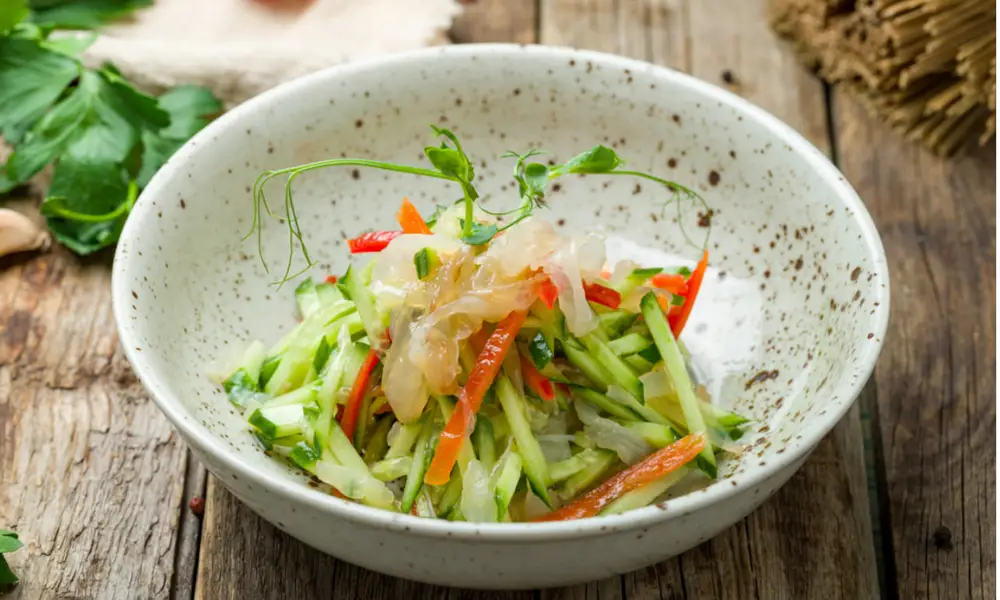
Jellyfish are free-swimming sea organisms with tentacles and bodies made of gelatin in the shape of an umbrella. They lack an advanced brain, lungs, or intestines and have a basic physical structure. They do have a well-organized tissue system, though. Jellyfish are planktonic organisms, not fish. Fish are typically vertebrates that breathe through gills and live in water.

On the other hand, Jellyfish are invertebrate animals without a backbone that breathe through membranes. The earliest known multicellular organism is a jellyfish. They’ve been around for more than 500 million years.

Zante Currants Nutrition Facts

Grapes from Zante, sometimes known as Black Corinth, are used to make Zante Currants. These grapes are roughly a fourth of the size of raisins, and they are rather little. They are quite black, without any seeds like grapes, and have a sour and acidic flavour. They are raisins; currants are a whole other fruit. The name “Champagne Grape” was given to the Black Corinth by epicureans (lovers of good food). They are known as Zante Currants when dried, even though they are not actual currants.

Grapefruit Juice Nutrition Facts

grapefruit juice

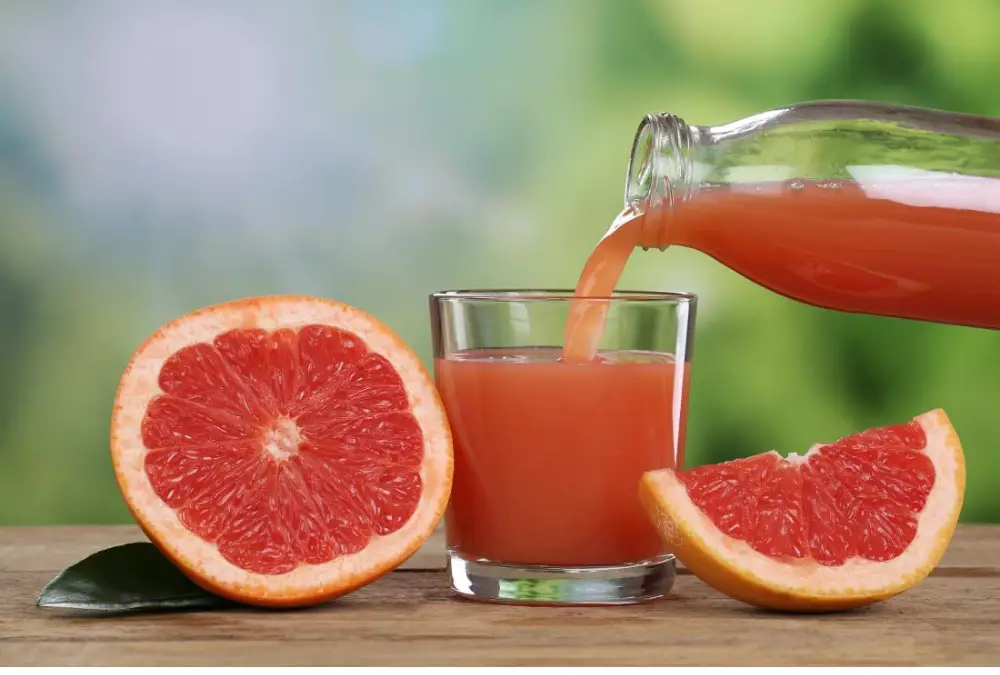
Grapefruit juice requires some attention, but regular consumption has many positive health effects. Grapefruit juice is one of the most widely used breakfast beverages. Drinking grapefruit juice might help you start your day off right because grapefruit fruit and juice are full of healthy nutrients and antioxidants. Vitamins and minerals are abundant in grapefruits.

Beet Juice Nutrition Facts

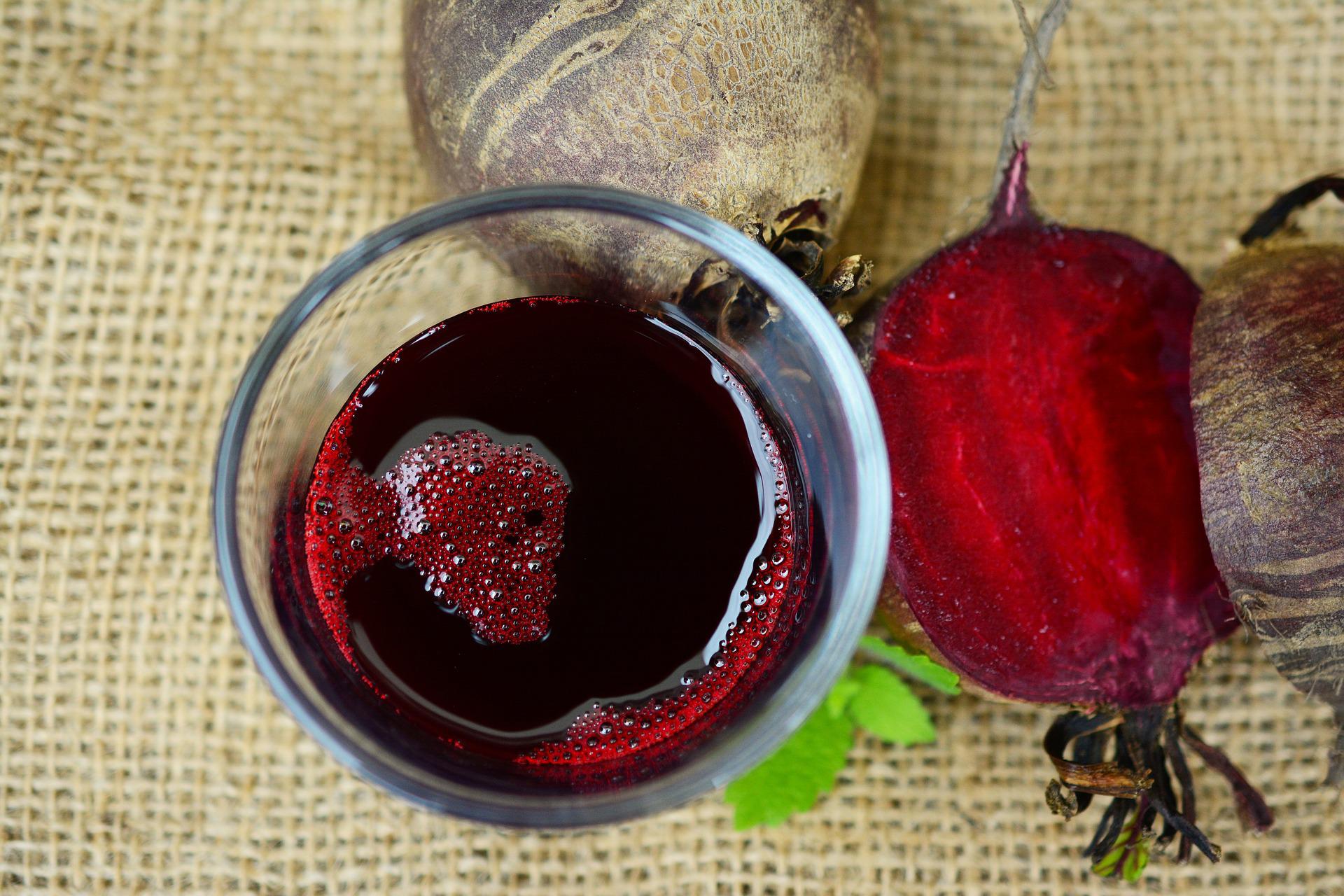
Beets are a low-calorie food that is full of vitamins and minerals. Beets are also a source of betaine, an antioxidant that gives the plant roots their rich, red colour. Manganese, folate, and vitamin B2 are also found in large amounts in beetroot.

Beet juice contains 7.8 calories per 31 g serving. This serving contains 0 g of fat, 0.2 g of protein and 1.8 g of carbohydrate. The latter is 1.5 g sugar and 0.3 g of dietary fibre; the rest is complex carbohydrates.

Dates Milkshake Nutrition facts

The date palm tree, native to Northern Africa and the Middle East but widely grown in other regions of the globe, produces dates, which are then eaten as fruits. The date fruit is consumed dry and whole as a snack in addition to being consumed fresh, and it is also used in various sweets. Dates are a common ingredient in many regional Middle Eastern dishes, as are many Mediterranean dishes, including those from Italy and Greece.