Rebel Keto Ice Cream Nutrition Facts

Rebel Keto Ice Cream Nutrition Facts

Are you looking for information on the nutritional value of the new Rebel Keto Ice Cream? This delicious new product is available at select grocers and will fit the keto diet’s nutritional requirements. This ice cream is flavoured with natural sweeteners and erythritol, 250 times sweeter than table sugar. Read on to learn more about this new product and see how much it costs.

This brand is a low-carb ice cream that contains only ten grams of net carbs per serving. It is also made with healthy ingredients, such as erythritol and monk fruit.
Heart of Palm Nutrition Facts

Heart of Palm Nutrition Facts

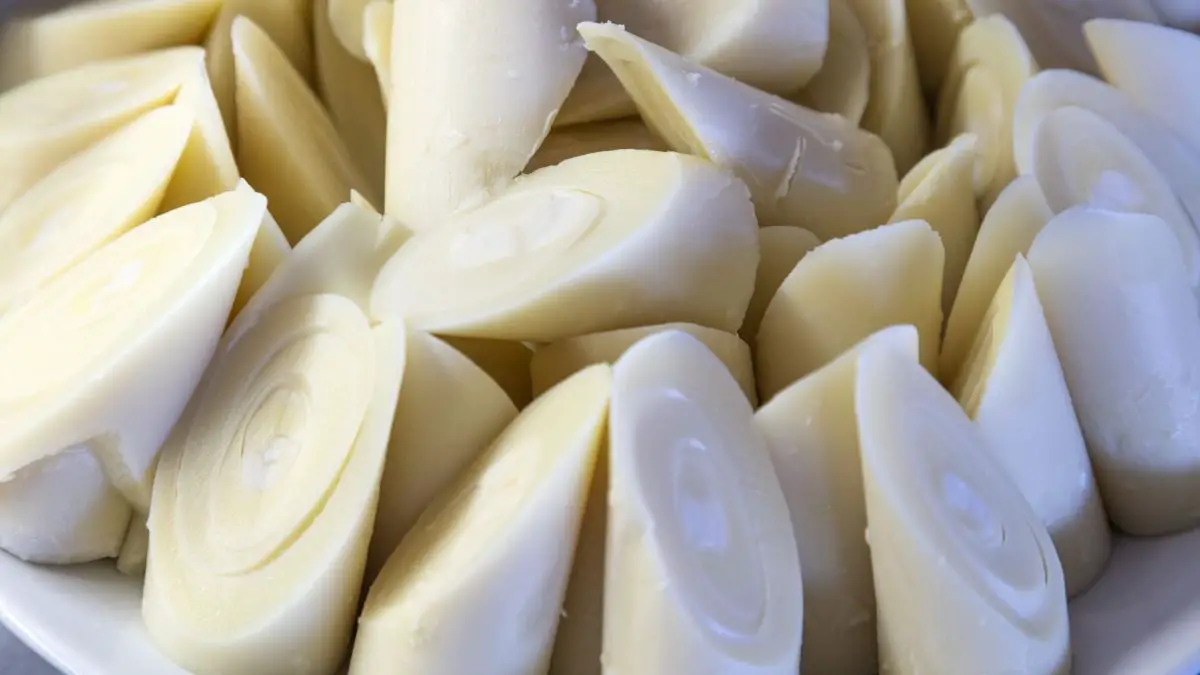
A few of the heart of palm nutrition facts are listed below. Specifically, these nutrients are important for bone health. It has iron, which helps with physical growth and cellular function, magnesium, which aids in the structural development of bone, and potassium, an electrolyte. Beta carotene is vital for eye health, and vitamin A is essential for healthy bone formation and vision.

What is Corn Flour?

Corn Flour

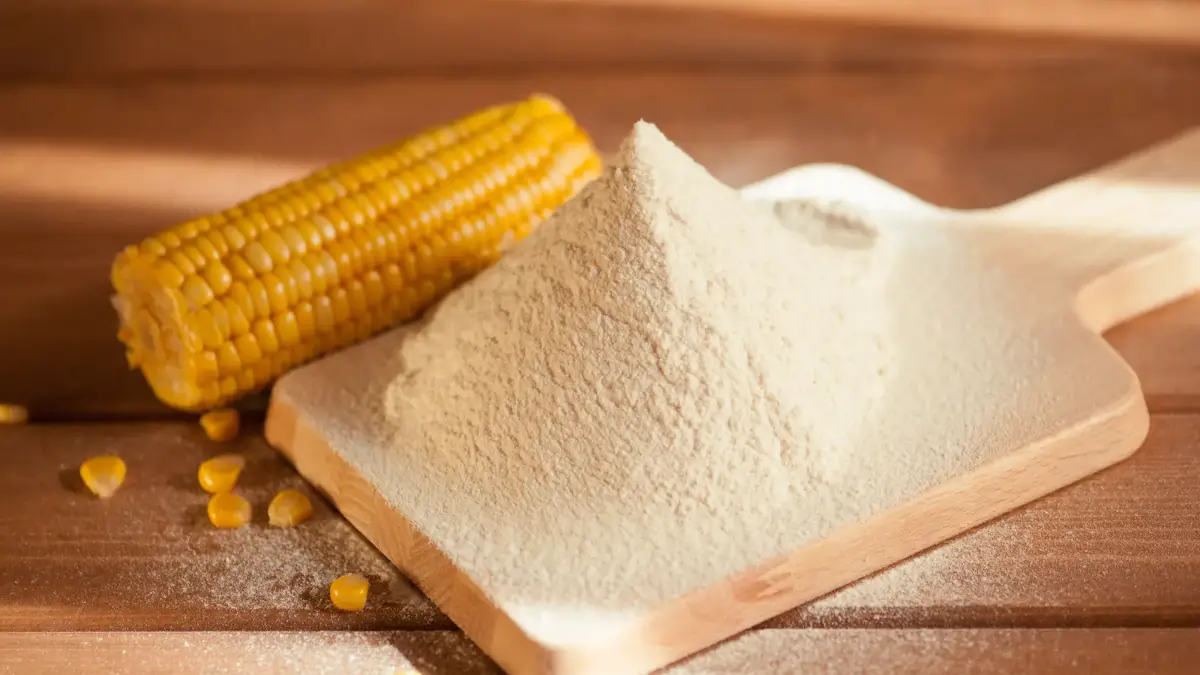
Corn flour is a fine powder made from dried corn kernels that have been ground (maize). Because corn flour is naturally gluten-free, baked goods will not rise as much as those made with wheat flour, but they will be tender and flavorful. Corn flour is made from corn kernels that have been finely ground. The majority of corn flour comes from dried yellow dent corn, which has a small dent in the top of the kernel.

You’ve probably seen corn flour in the grocery store’s baking aisle, but you’re not sure what to do with it.

Powdered Milk Nutrition Facts

Powdered Milk

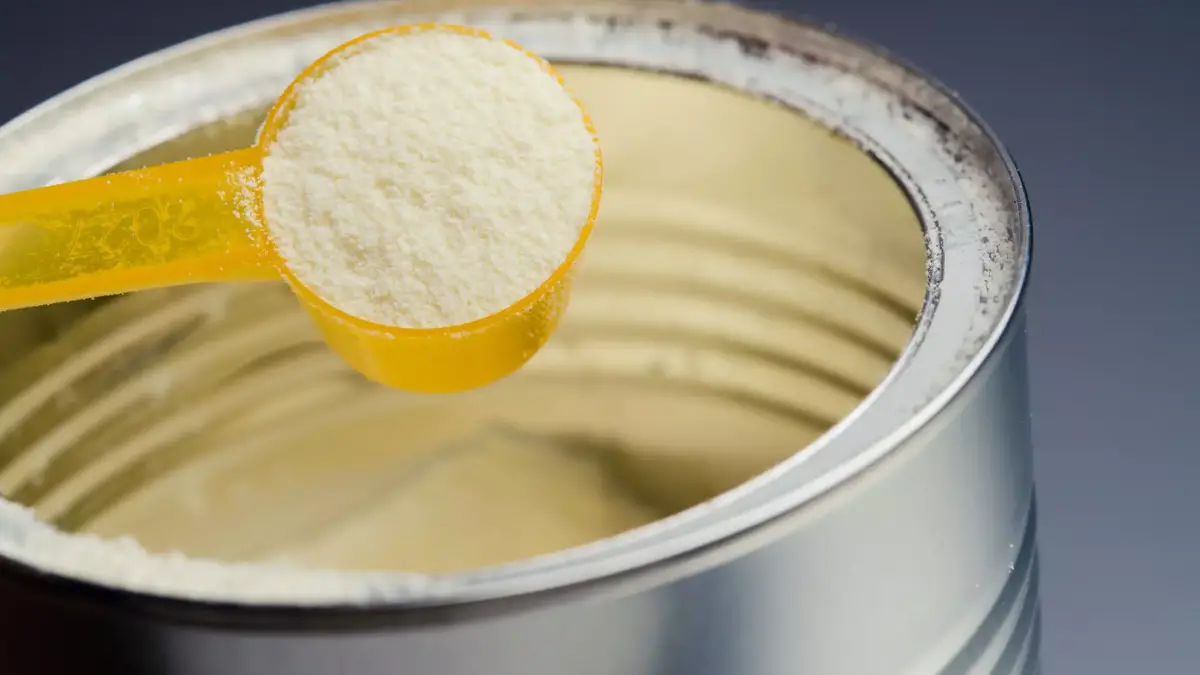
Is milk powder a good substitute for whole milk? Here’s all you need to know about milk powder’s health advantages. A dairy product formed by evaporating ordinary milk is powdered milk. Because milk has such a short shelf life, it is especially useful for those who do not have access to fresh milk daily.

Cottage Cheese Nutrition Facts

Cottage Cheese

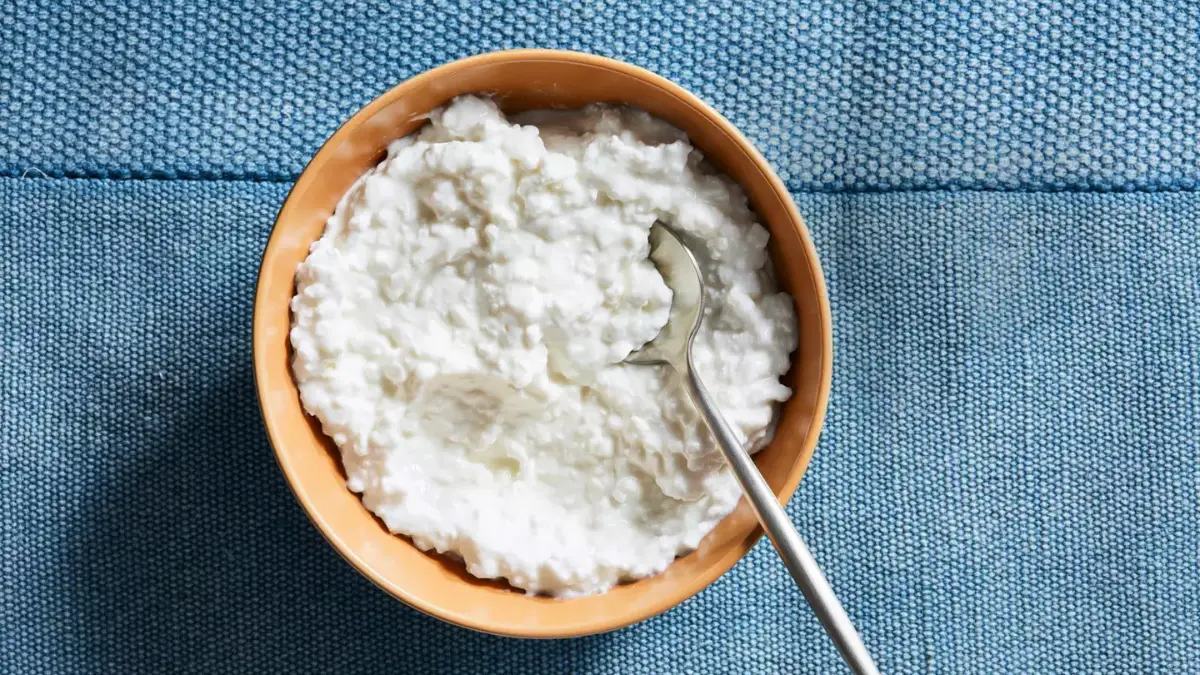
Cottage cheese is a delicious snack since it is rich, full of texture, and high in protein. This dairy product, also known as curds and whey, varies from cheese in that it is not matured before being sold and eaten. When compared to other cheeses, it is also low in calories.

Cottage cheese has a long and illustrious history as a superfood. While it is likely that other varieties of the product existed thousands of years ago, the product as we know it now gained popularity.

Spring Onion Nutrition Facts

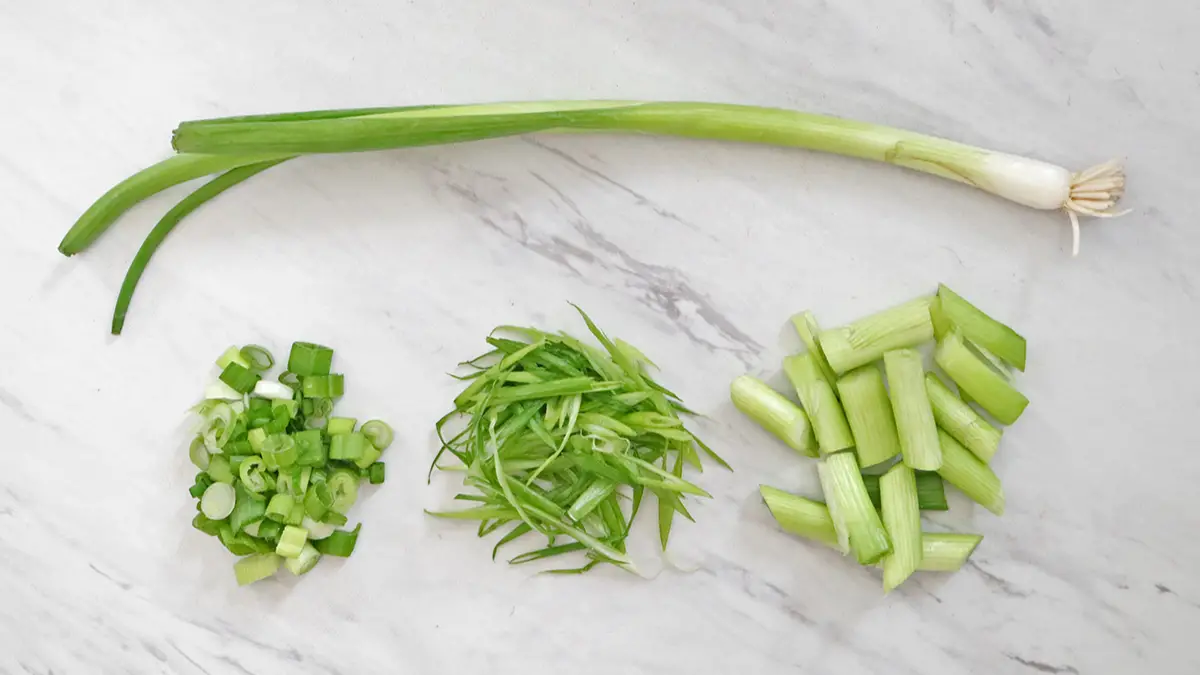
Spring onions have anti-inflammatory and anti-cancer properties, two of their most known benefits. Green onions include antioxidants that aid in the prevention of disease, the reduction of inflammation, and the reduction of bad cholesterol. In addition to these benefits, they are low in sugar and cholesterol, making them a great diet supplement. Green onions are high in vitamin C and zinc, which help to strengthen the immune system and promote resistance to infection and inflammation.

A face mask is another fantastic way to enjoy a Spring Onion. For ten minutes, lay a Spring Onion on your eyelids.

Wheat Nutrition Facts

Wheat

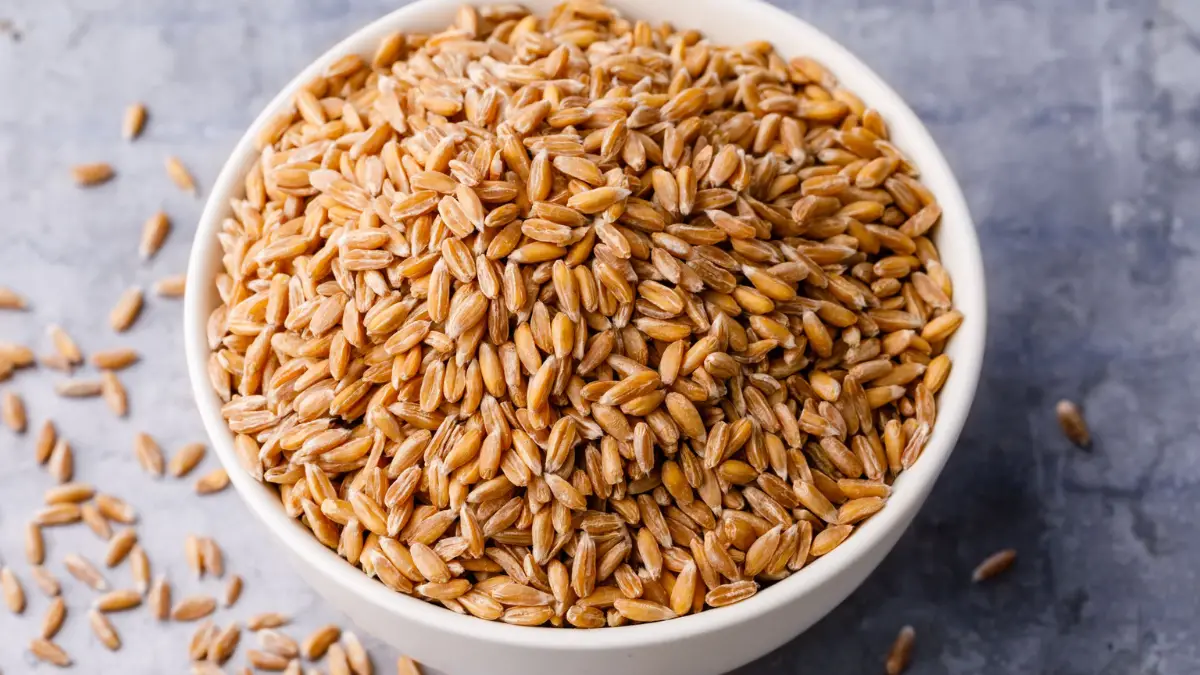
Wheat is one of the most adaptable grains regarding nutritional content and health, and it’s easy to find worldwide and add to your everyday diet. Controlling obesity, increasing your body’s metabolism, preventing type 2 diabetes, reducing chronic inflammation, preventing gallstones, preventing breast cancer, and supporting gastrointestinal health in women are just a few of the health benefits.

It also aids in preventing childhood asthma, the prevention of coronary artery disease, the relief of postmenopausal symptoms, and the prevention heart attacks.

Maple Syrup Nutrition Facts

Maple syrup is a sweetener made from maple trees. Drilling a hole in the bark of a sugar or black maple tree and collecting the sap that pours out is how it’s made. After that, the sap is condensed, increasing the sugar concentration from roughly 2% to over 66 percent.

In addition, this procedure darkens the colour to a characteristic golden brown. Maple syrup is produced in several locations around northern North America, including much of Canada and the East Coast and Midwest areas.

Vegetable Oil Nutrition Facts

Vegetable Oil

When you think of vegetable oil, you might think of the jugs of oil you see in grocery stores for deep frying. The term “vegetable oil” actually refers to various oils. Which vegetable oils are the healthiest to use, and how can you incorporate them into your diet? Concerning Vegetable Oil Because vegetable oil is not always made from vegetables, the name can be misleading. It’s found in a wide range of fruits, seeds, grains, and nuts. Vegetable oil is available in various flavors and can be utilized in various kitchen applications.

Yams Nutrition Facts

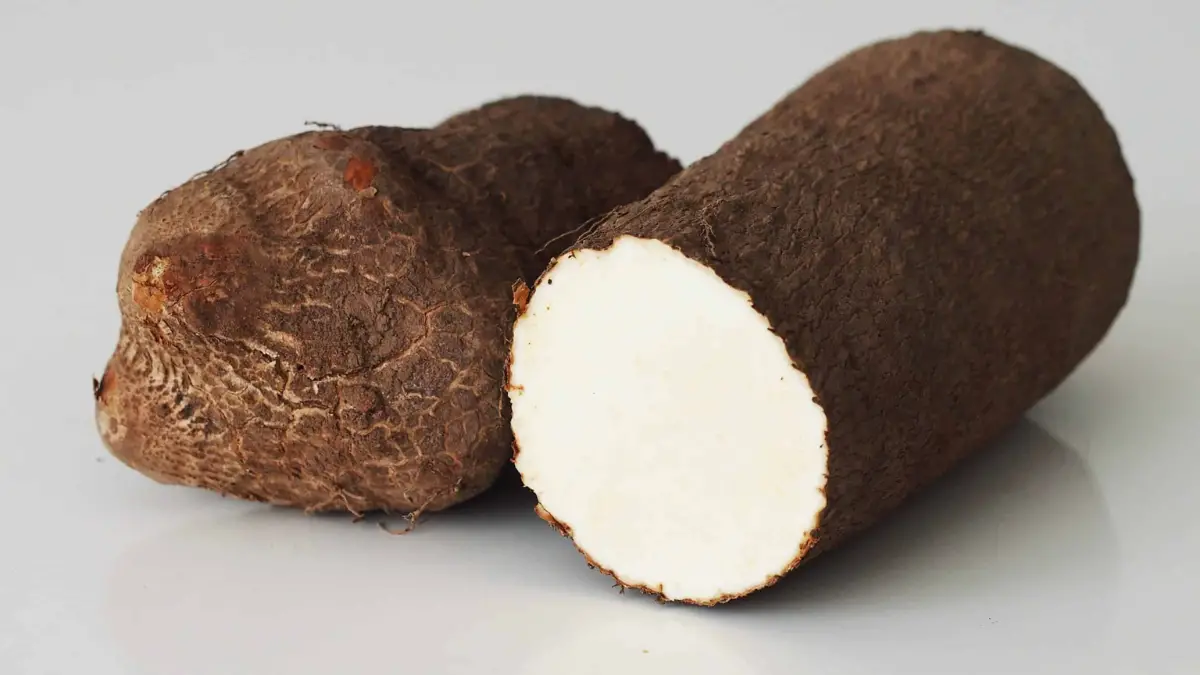
Sweet potatoes and yams (Dioscorea) are sometimes mistaken. However, they are not the same vegetable. They come from two different plants, even though they grow underground as tubers. Unlike a sweet potato’s smooth surface, yams have rough, scaly skin, and their flavor is less sweet. Yams, native to Asia, Africa, and the Caribbean, have a long history of use in traditional medicine. Most yam health research has focused on particular chemicals isolated from the plant root.

Spirulina Nutrition Facts

Spirulina is a blue-green alga that is thought to be one of the Earth’s oldest life forms. Spirulina was first utilized as an endurance enhancer by the Aztecs. It is now regarded as a superfood, an all-in-one source of nutrients with protein levels comparable to eggs. The Aztecs also employed Spirulina to heal various ailments, and legend has it that the kingdom’s couriers used the algae to keep going during marathon runs.

Kumquat Nutrition Facts

Kumquat

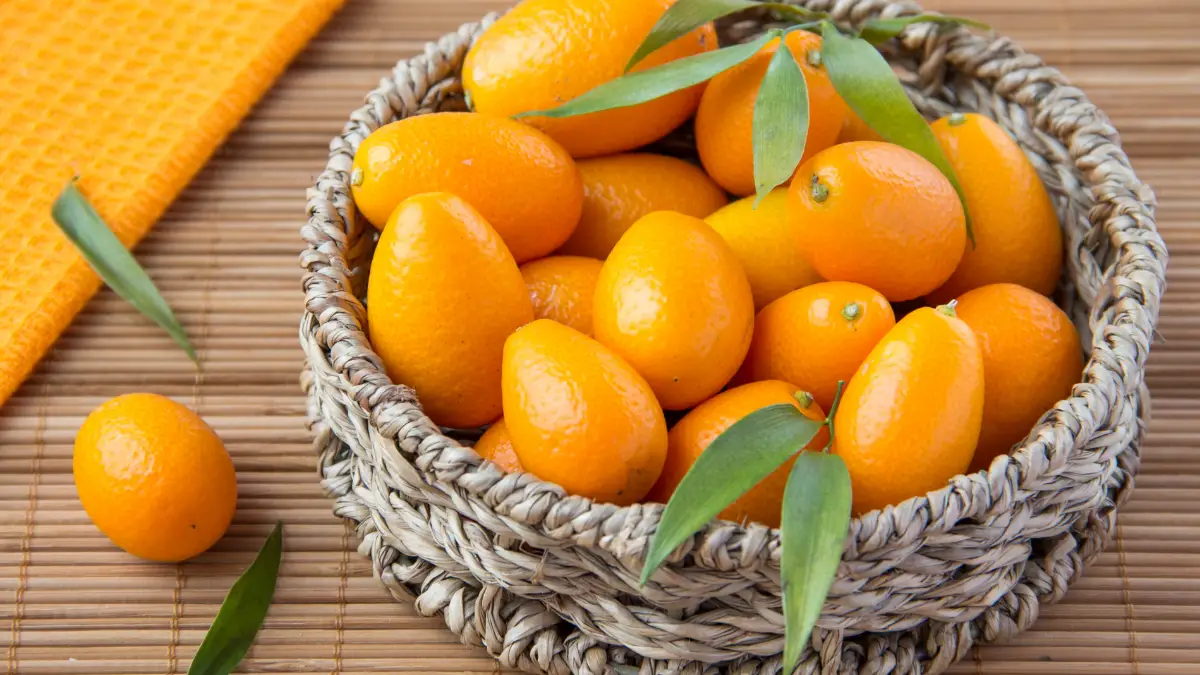
The Kumquat is an orange-like citrus fruit that is smaller and oval (1-2 inches). Fortunella trees, often known as kumquat trees, were first produced in China in the 1700s. The word “kumquat” comes from the Chinese words “gam” and “great,” which mean “gold” and “tangerine,” respectively. The tree made its way to Europe and the United States in the 1800s.

It grows best in hotter climates, but it can also endure cold. The peel of a kumquat is wonderfully sweet and can be eaten. On the inside, there may be a few seeds.

Black Pepper Nutrition Facts

Black Pepper

Black pepper is one of the oldest known spices, hailing from India’s Malabar Coast, and is one of the most widely used spices in the world. Black pepper, widely used in cooking, has several health benefits. The plant is a tall woody plant with small yellowish-red flowers that bloom in the spring. The flower produces a seed that is commonly referred to as a peppercorn. After that, the peppercorn is ground into black pepper.

Pepper has been used in traditional medicine for thousands of years, particularly in Ayurveda, the traditional Indian medical system.

Condensed Milk Nutrition Facts

Condensed Milk

Condensed milk is a common ingredient in various desserts, candies, and creamy beverages. Condensed milk is made by condensing cow’s milk by removing the water, then sweetening it with sugar (hence the name), resulting in a very sweet, thick mixture with an off-white color. Condensed milk comes in cans, is shelf-stable, and is usually found in the supermarket’s baking section.

Condensed milk is a viscous, thick, creamy liquid made by removing most of the water from milk. To extend the shelf life of this milk, it is sweetened with sugar and stored in sealed cans.

Hint Water Nutrition Facts

Hint Water Nutrition Facts

The Nutrition Facts label on Hint Water reveals zero milligrams of sodium. That’s good news for those who are on a strict low-carb diet. Many other flavored water brands contain sugar and added sodium, but Hint Water doesn’t. Plus, it contains no electrolytes. That’s also good news for those who are watching their salt intake. However, some consumers may find these facts unappealing.

As it turns out, the product contains caffeine and fruit flavors. It contains about 60 milligrams of caffeine per bottle. Although these are small amounts, it’s still enough to concern health-conscious consumers.

Endive Nutrition Facts

Endive

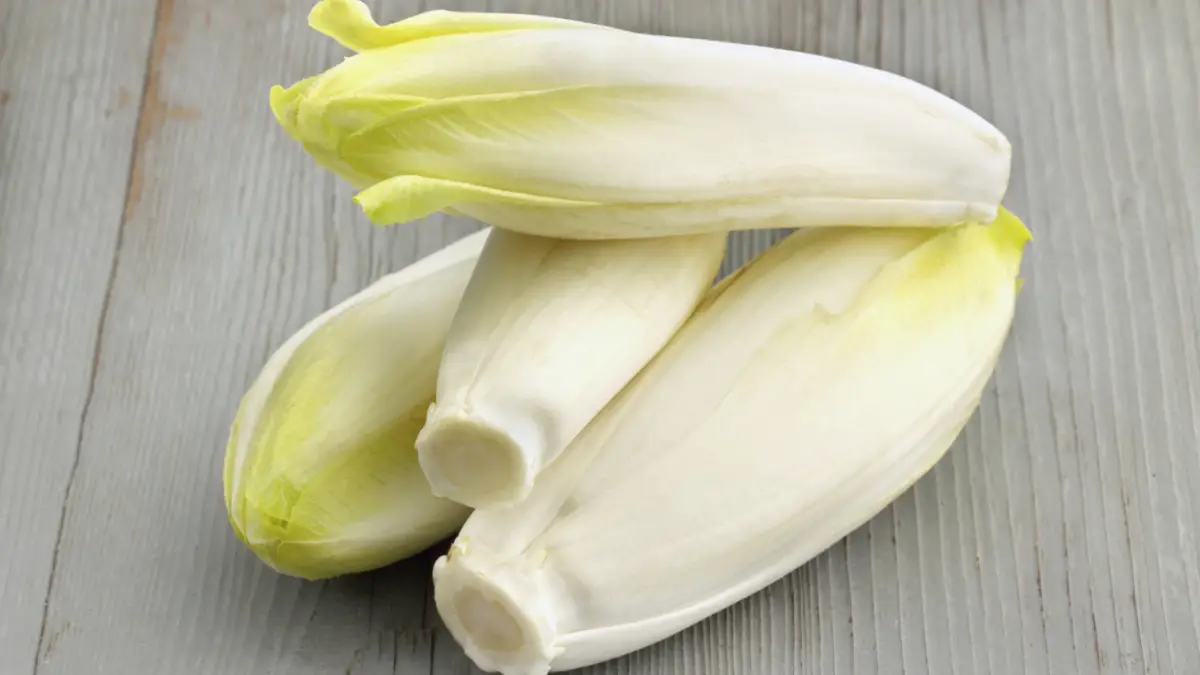
Endive is a common vegetable found in most supermarkets across the United States. Unfortunately, it can be intimidating because most people are unsure how to use it and instead opt for more familiar leafy greens like arugula, Romaine, or spinach nutrition. Getting out of your comfort zone and trying this flavorful veggie can provide your diet with a healthy dose of nutrients, flavor, and versatility.
One cup (100g) of raw chopped Endive contains 17 calories, 1.3 grams of protein, 3.4 grams of carbohydrates, and 0.2 grams of fat.

Carrot Cake Nutrition Facts

Carrot Cakes

Try one of the greatest carrot cake recipes if you enjoy the flavor of carrots. Although this popular dessert is simple to prepare, you may need to use a mixer or invest in a food processor. Even if you have a mixer, though, it is not required. All-purpose flour, applesauce, buttermilk, sugar, and a few warm spices make carrot cake. It’s not only simple to make and delicious, but it’s also nutritious and wholesome.

Lychee Nutrition Facts

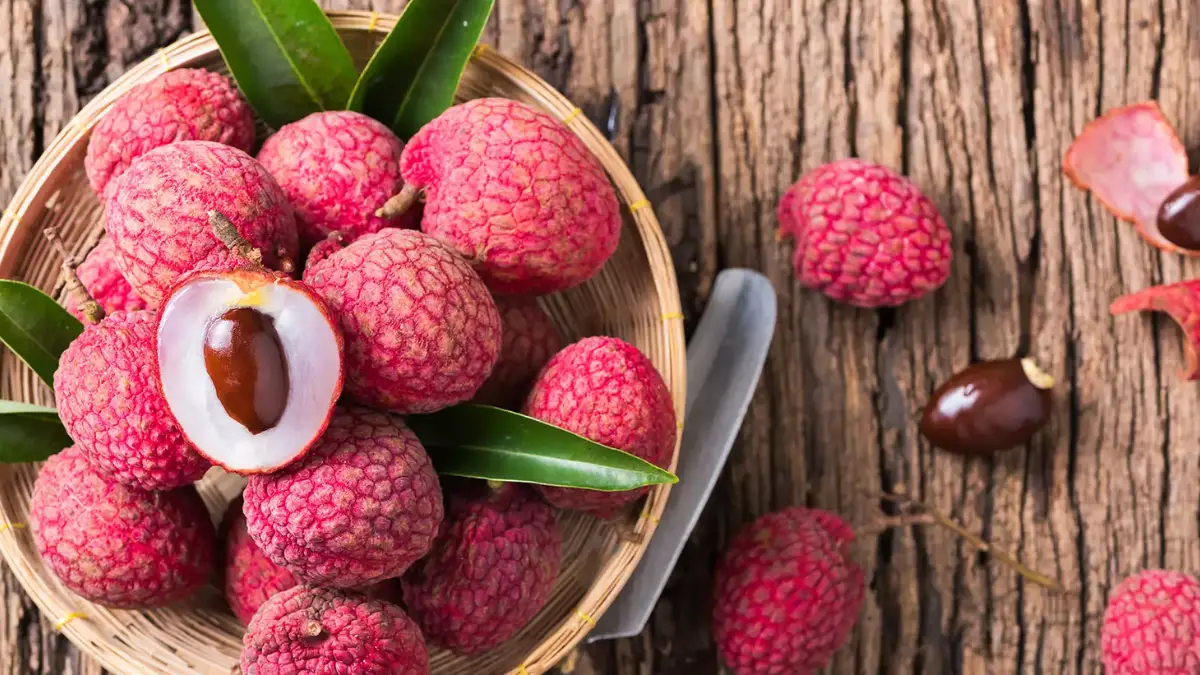
The lychee fruit is a small spherical fruit with scaly red skin, sweet juicy pulp, and a single big seed. Litchi is another name for Lychee. It’s a popular Asian fruit used in various desserts and drinks, including jellies, cocktails, and ice creams. Lychee is a fruit that has been grown in China for thousands of years. It now thrives in India, Vietnam, Indonesia, Australia, and the United States, among other places. Lychee can be purchased fresh, dried, or tinned.

Butternut Squash Nutrition Facts

Butternut Squash

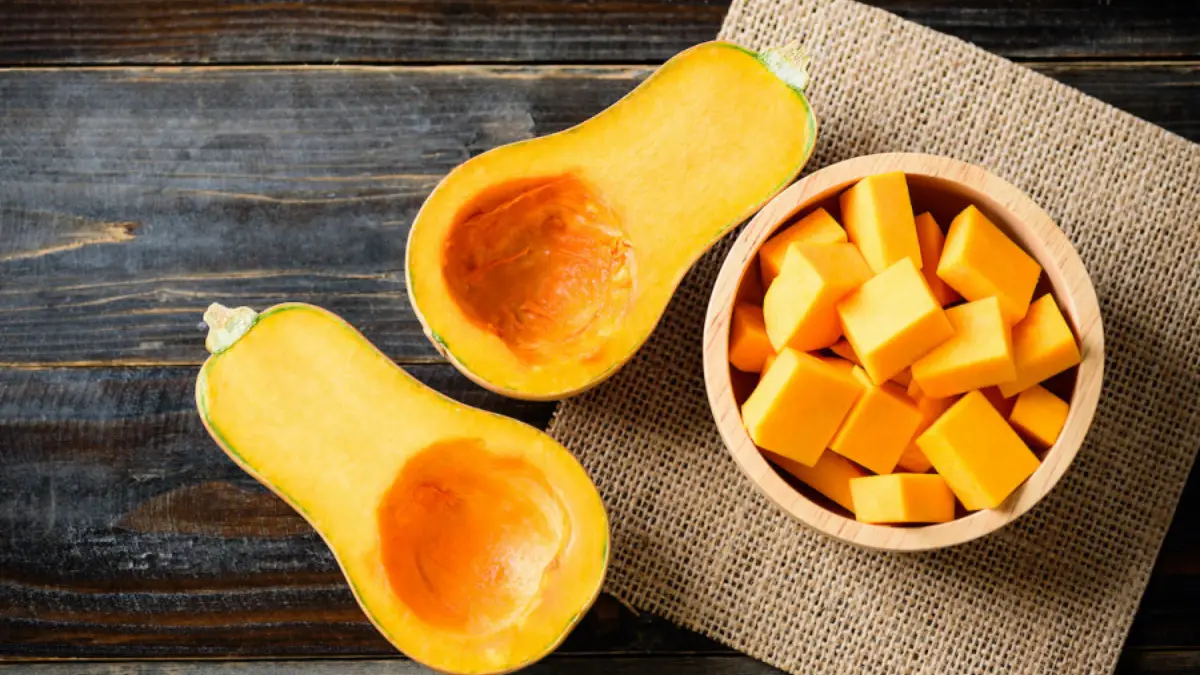
Butternut squash is a winter squash that originated in the Americas. Although technically a fruit, Indigenous peoples have long used it as a vegan protein source when combined with corn and beans. The three are known as “The Three Sisters” when they are all together, and they are a popular sight in October. Butternut squash is low in calories but high in vitamins A, C, magnesium, and potassium, among other minerals.

Butternut squash goes well with a variety of sweet and savory meals. It’s a good source of vitamin A and various other nutrients.

Kidney Beans Nutrition Facts

Kidney Beans

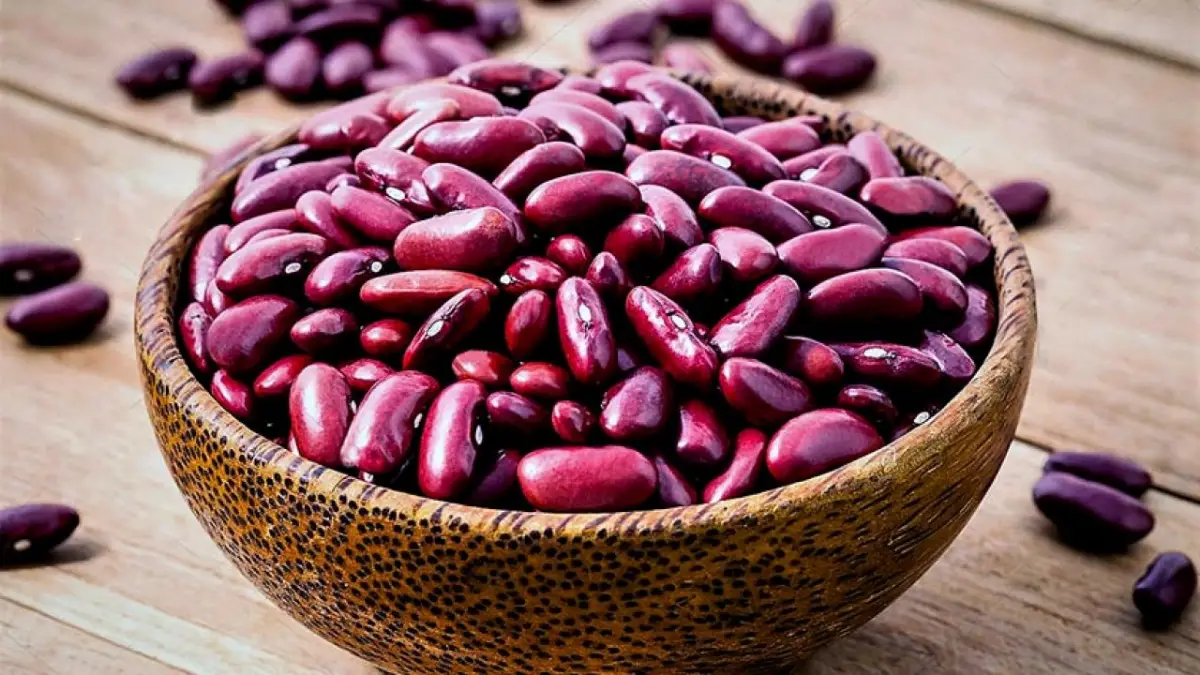
Kidney beans are a low-cost, versatile food with many nutritional and health benefits. Adding kidney beans to your meals is a simple way to increase protein and fiber without adding many calories to your diet. While red kidney beans are the most common, white, purple, and even striped kidney beans are available to brighten up your plate. Kidney beans are primarily made up of carbohydrates and fiber, but they also provide a good source of protein.

Kidney beans are a common bean (Phaseolus vulgaris), a Central American and Mexican legume.