Fresh Vegetable Juice Nutrition Facts
vegetable juice

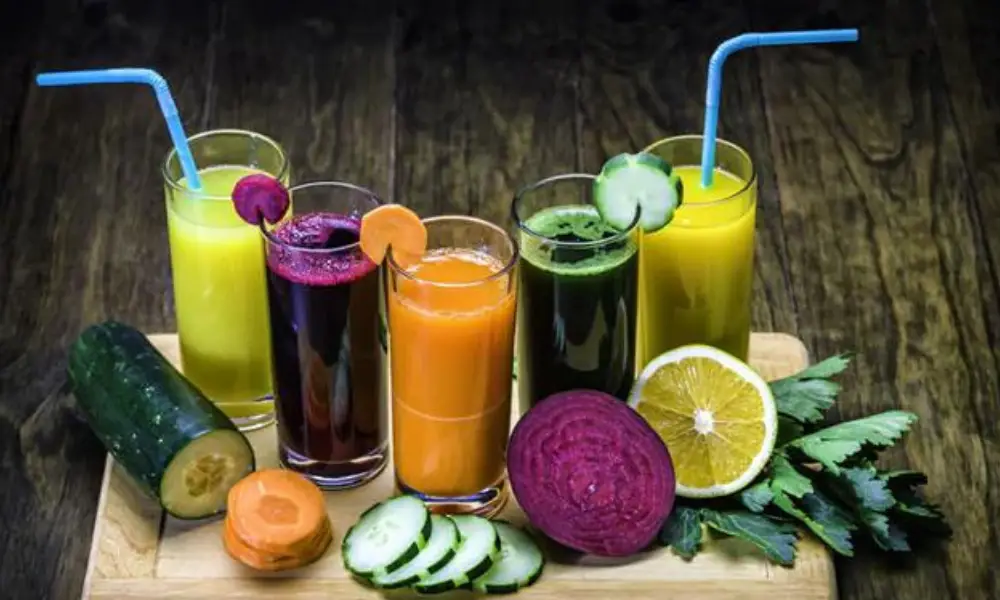
If you’ve been considering increasing your intake of fresh vegetable juice, you might be interested in learning more about the various veggies’ nutritional value. Vegetable juice has many advantages, and while it has fewer calories than other juices, it is still packed with nutrients. You should be informed of the numerous varieties of vegetables available and how much of each type you should include in your daily diet to maximize the health advantages of vegetable juice.

Vegetable juice is a concentrated source of antioxidants that are high in nutrients.

Brussels Sprouts Nutrition Facts

Brussels sprouts are filling and have a nutty flavor. Serve them raw in a salad, shredded, or roasted with a sprinkle of olive oil. You can buy a fresh or frozen bag of loose Brussels sprouts or a fresh or frozen Brussels sprout stalk with little heads lined in rows. Brussels sprouts are a cruciferous vegetable high in satisfying fiber and low in carbs. Bacon, butter, or maple syrup are frequently used in Brussels sprouts dishes, significantly increasing the saturated fat and sugar level.

Spinach Nutrition Facts

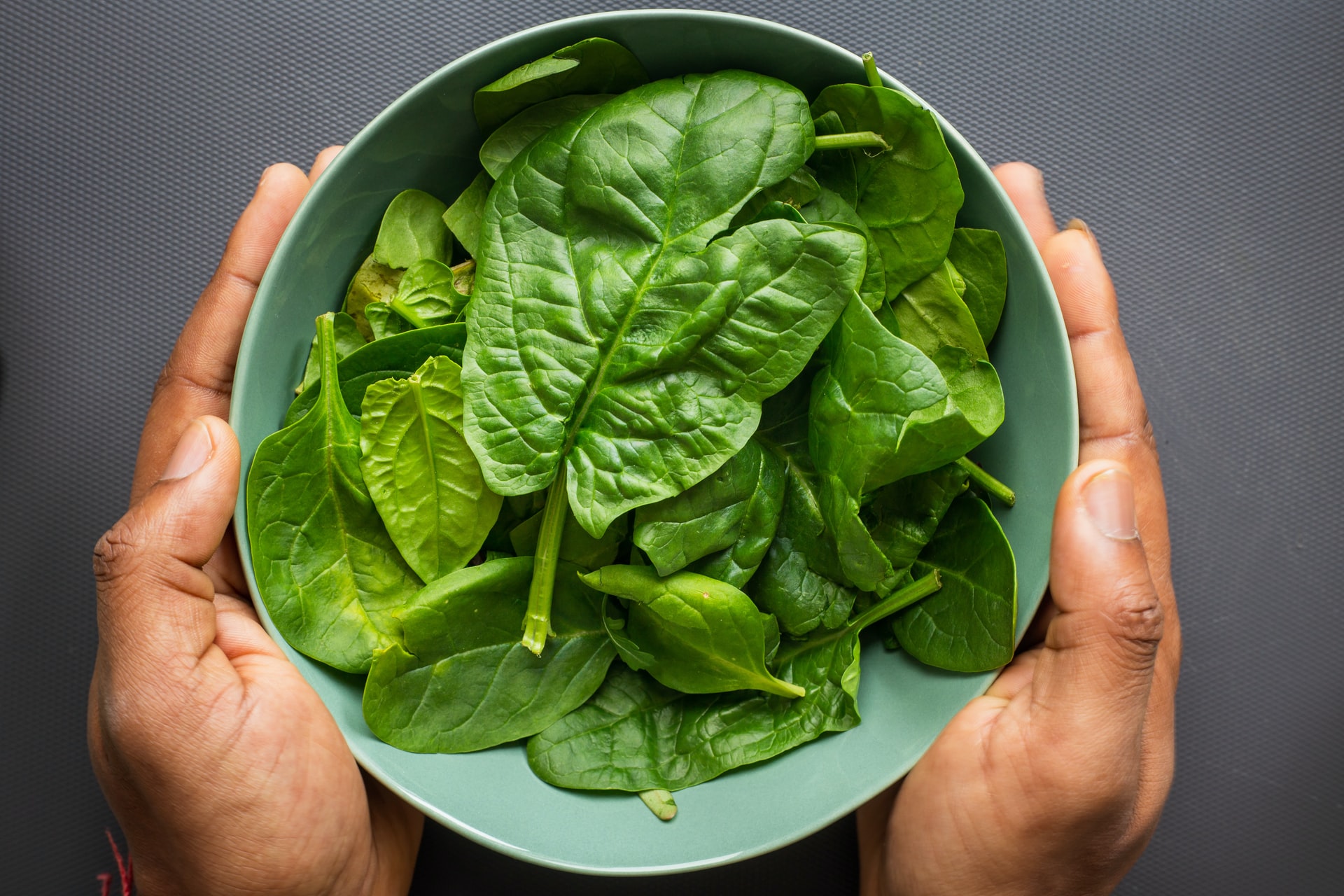
spinach

Spinach is a high-fiber meal that may give your favorite recipes more volume, color, and texture. This leafy green vegetable, whether cooked or raw, packs a nutritional punch without adding fat or natural sugars to your diet, ideal if you’re watching any of these. 100g of spinach contains 23 calories, 2.9g protein, 3.6g carbs, and no fat. Vitamin C, vitamin K, and potassium are all abundant in spinach. The USDA has provided the following nutritional information.


Eating spinach can aid eye health, oxidative stress, cancer prevention, and blood pressure control.

Turnip Nutrition Facts

Turnips are purple-topped veggies with a creamy white base. This traditional European staple meal is frequently associated with root vegetables like potato and beetroot. On the other hand, the turnip is a cousin of broccoli, Brussels sprouts, arugula, and kale. Like other cruciferous vegetables, turnips are high in nutrients and low in calories. Potassium is found in 191 mg per 100 grams of turnip.

Dried Mango Nutrition facts

Dried Mango Nutrition facts

Dried mangoes are high in both soluble and insoluble fiber, making them a great source of dietary fiber. Soluble fiber aids in blood sugar regulation, food absorption, and reducing LDL “bad” cholesterol. Vitamin C is abundant in mangoes. Because of the drying process, the nutritional content of a dried mango differs slightly from that of fresh mango. Although Vitamin C in dried fruit has decreased, it still includes large fiber and antioxidants.

Soy Sauce Nutrition Facts

Soy Sauce

Soy sauce is a salty liquid condiment made traditionally from soybeans and wheat fermentation. It is supposed to have originated around 3,000 years ago from a Chinese product called “Chiang.” Similar items have been produced in Japan, Korea, Indonesia, and other Southeast Asian countries. It was brought to Europe by Dutch and Japanese traders in the 1600s.

The word “soy” is derived from the Japanese word “shoyu,” which means “soy sauce.” Soy sauce is the source of the soybean’s name. Soy sauce comprises four fundamental ingredients: soybeans, wheat, salt, and fermentation agents like mold or yeast.

Peppermint Oil Nutrition facts

Peppermint is a fragrant herb that belongs to the mint family. It’s a cross between spearmint and watermint, a hybrid mint. It can be found in North America and Europe in the wild. Peppermint essential oil is derived from the leaves of the peppermint plant and has a wide range of applications. Peppermint is used in various foods and scented products due to its distinct flavor and aroma. Peppermint has also been used to treat stomach issues for thousands of years.

Peppermint oil can be used directly or used in aromatherapy in addition to being consumed.

Franz Keto Bread Nutrition Facts

keto white

When you’re on a low-carb diet, keeping track of the calories in Franz keto bread might be tricky. Although the amount of fiber in it may cause concern, the bread itself is low in carbs. Each slice contains around 35 calories and no net carbs. It’s also worth noting that this bread contains no added sweeteners. Franz keto bread can be found at your neighborhood bakery. Please continue reading to learn more about its nutritional value.

Franz keto bread has ZERO net carbohydrates, according to the USDA.

Truffle Nutrition Facts

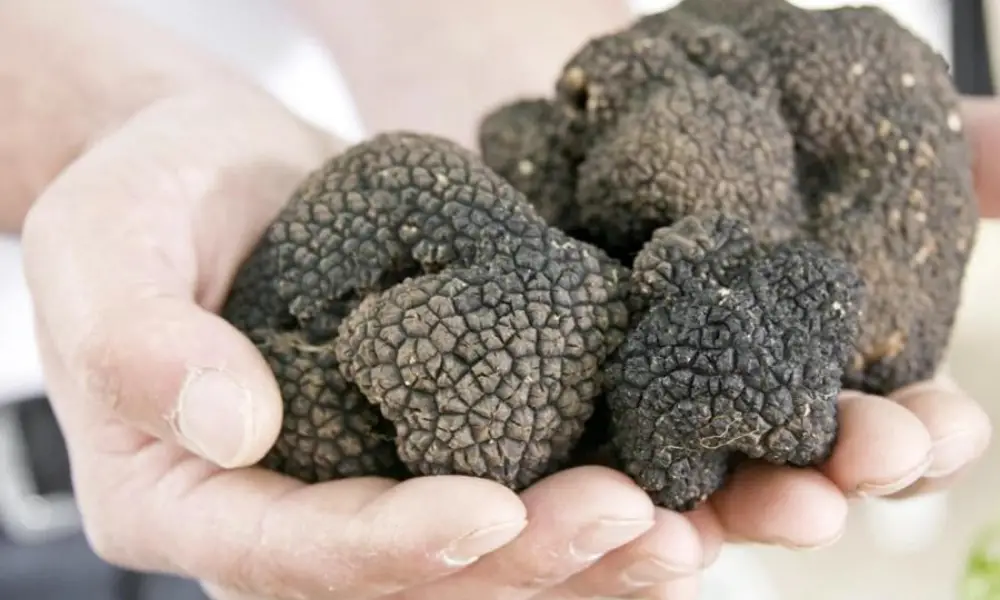
Truffle

Nutritional information on truffles. The daily values are calculated using a 2000-calorie diet. Your daily nutrient requirements may fluctuate depending on your age, gender, amount of physical activity, medical history, and other factors. All information on this site is provided for educational purposes only and should not be used as a substitute for medical advice. A truffle is a unique and delectable gourmet delicacy that is highly prized worldwide.

Pepperoni Nutrition Facts

Pepperoni

Pepperoni has brilliant red color and a smooth, somewhat smoky texture. Pepperoni is high in calories and fat and serves vitamins such as Vitamin C, Vitamin D, Vitamin E, amino acids, minerals, and protein. Pepperoni has 494 calories per 100 grams. All of the ingredients give pepperoni its vibrant red color. Sodium nitrite, which gives pepperoni its crimson red hue, has a significant influence on the color. Although the word ‘pepperoni’ (which means ‘bell peppers’ in Italian) has an Italian origin, it is undoubtedly an American innovation.

The difference lies in the way pepperoni is made.

Garlic Nutrition Facts

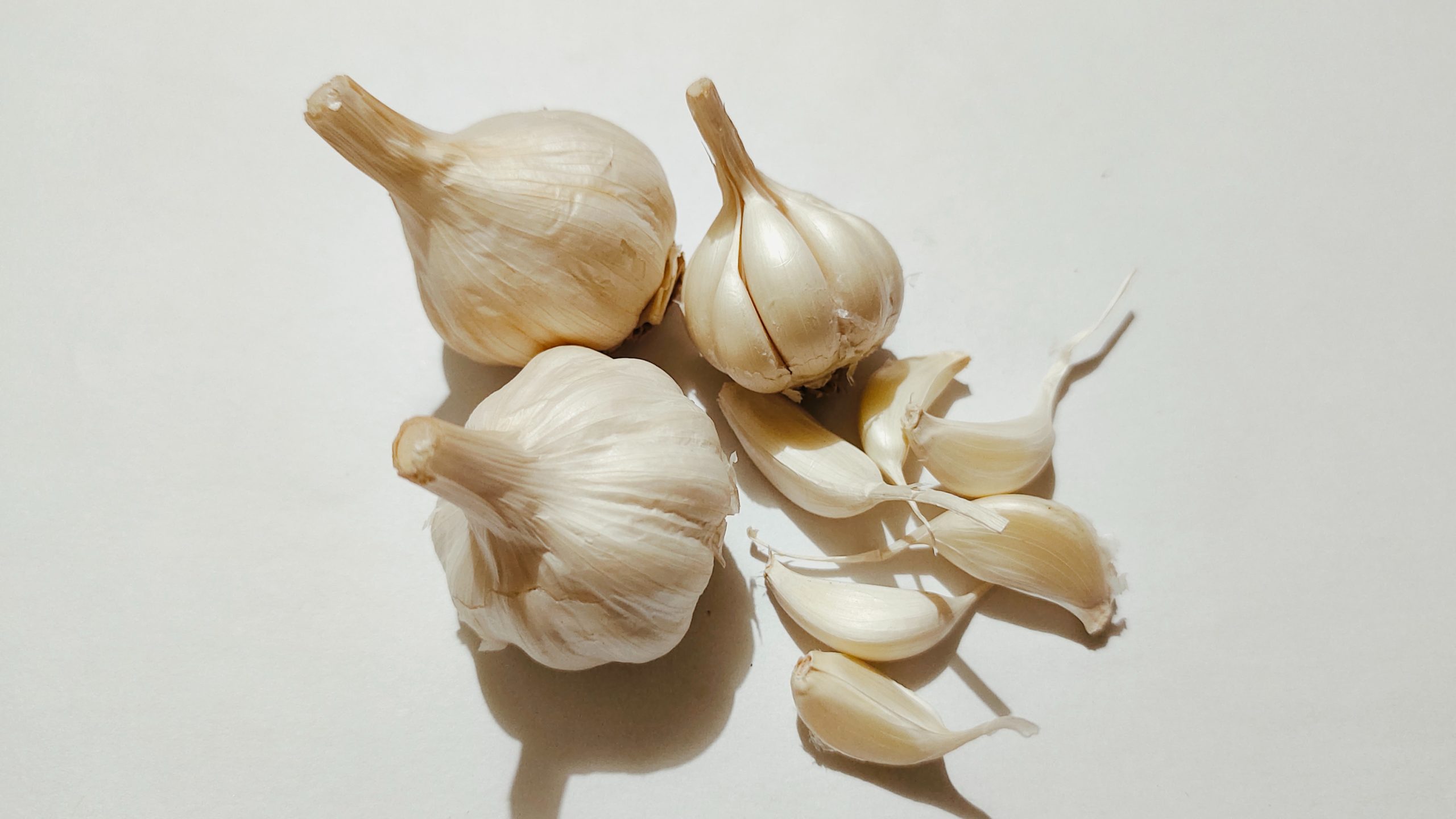
100g garlic

Garlic nutrition data can be found from a variety of sources. To find the calorie and macronutrient composition of 100g of garlic, go to the Department of Nutrition. Garlic includes allicin, a blood thinner. Garlic is hazardous to the nervous system and should be avoided by anyone taking anticoagulants. Garlic soaked in oil is also toxic. Garlic should also be kept refrigerated and consumed as soon as possible after purchase.

While garlic’s sulfurous chemicals may not be as healthy as those found in other foods, they may help prevent or cure various ailments.

Jackfruit Nutrition Facts

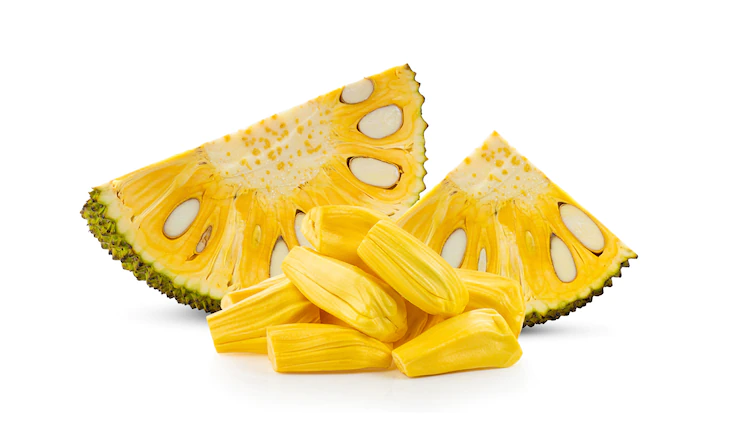
Jackfruit

The popularity of jackfruit, a unique tropical fruit, has grown in recent years. It has a unique sweetness and may be utilized in several cuisines. It’s also high in nutrients and may provide various health benefits. It has a modest calorie content, with 155 calories per one cup (100-gram) portion. Carbohydrates 39.6 grams, with protein and a minor fat accounting for the rest. Furthermore, jackfruit provides a good amount of fiber and practically every vitamin and mineral your body needs.

Cooked jackfruit resembles pulled beef in appearance and feel.

Birds Eye Veggie Pasta Nutrition Facts

birds eye veggie pasta

Try Birds Eye Veggie Made Pasta if you’re seeking a healthier alternative to regular pasta. It’s the ideal solution for busy families because it has no artificial ingredients and is high in vegetables. And the best part is that you can whip up a tasty, nutritious supper in about 30 minutes! The nutritional value of this 100% vegetable spaghetti will wow you! A complete serving of vegetables is included in each serving!

A serving of Birds Eye Veggie Made Zucchini Lentil Pasta in Marinara Sauce, for instance, contains 160  calories.

White Sugar Nutrition Facts

White Sugar


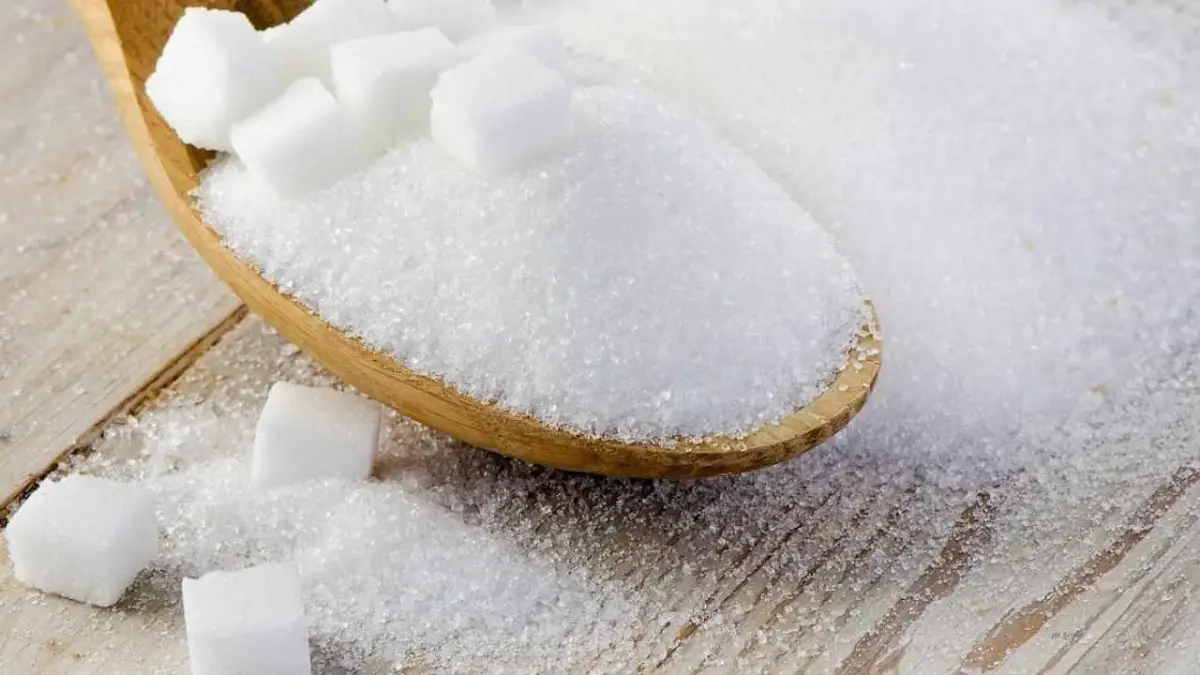
2.8 grams of sugar contains roughly 2.8 grams of simple carbs and contains little under 11 calories. White sugar contains no fiber or starch. Sugar calories are “empty calories” since they provide little to no nutritional value. According to current USDA dietary guidelines, added sugar should account for no more than 10% of daily calories, while some experts urge even less.

Monk Fruit Sweetener Nutrition Facts

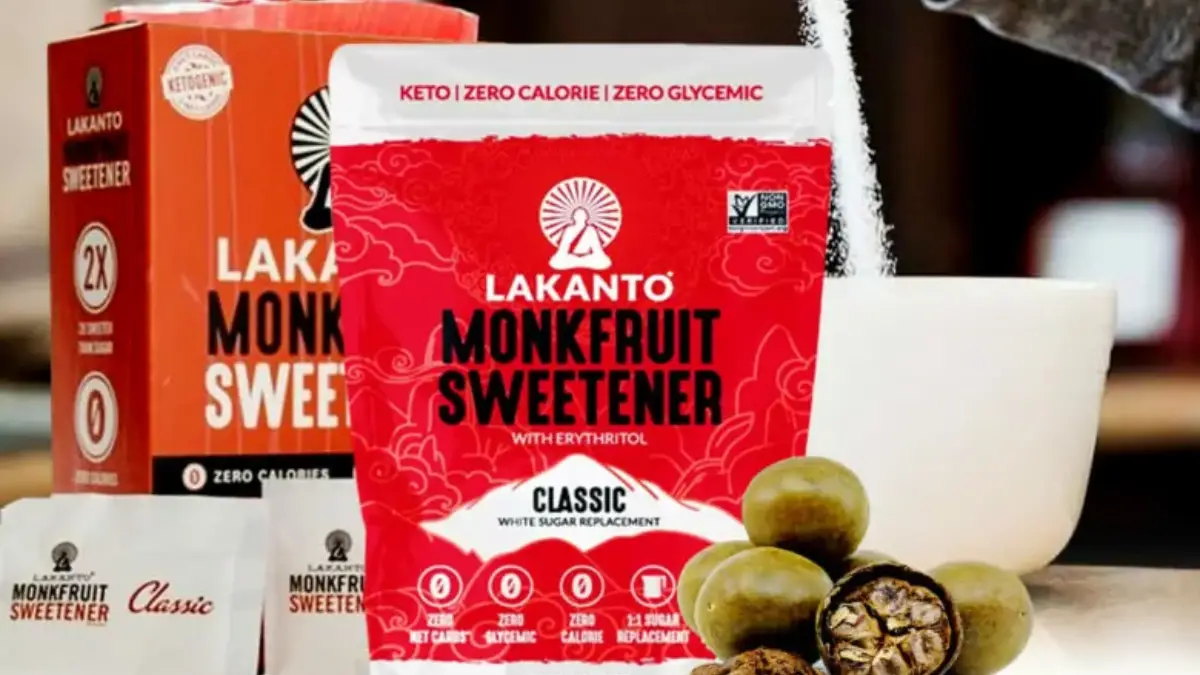
When shopping for a sweetener, you can find monk fruit sweetener in the stores, in restaurants, and even online. The sweetener’s label will contain a sweetness indicator, V50. This means it contains fifty percent mogroside V. However, and your requirements will differ based on your age, gender, level of physical activity, and medical history. Read on to learn more about monk fruit sweetener nutrition facts. Monk fruit sweetener contains zero calories, no fat, and only 4 grams of carbs, making it an ideal option for those who want to maintain a healthy weight.

Pistachios Nutrition Facts

Pistachios

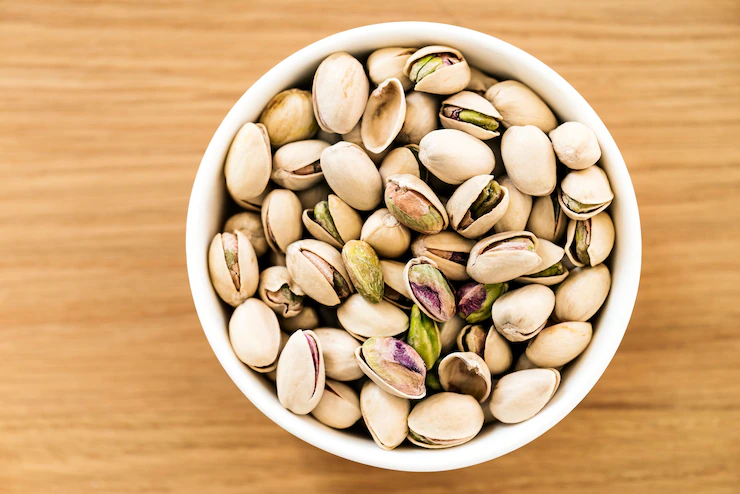
Pistachios are nutrient-dense nuts that may be eaten as a healthy snack or included in a delectable meal. Pistachios are available in roasted, salted, flavored, or raw form, both in the shell (in-shell) and with the shell already removed (shelled). You might be wondering if pistachios are a harmful snack because of their high-fat content. The health-promoting lipids in this green nut, on the other hand, lower its glycemic index and increase its nutritious value. Pistachios have about 562 calories and 20 grams of protein per 100-gram serving.

Vegetable Chip Nutrition Facts

vegetable chips

Rather than containing potatoes, vegetable chips are made from other vegetables. They may be fried, baked, dehydrated, or dried. This article discusses the nutrition facts of these popular snacks. To get a fuller picture of their nutrition, read on. This way, you’ll know exactly what you’re getting in every single bite. It’s a win-win situation for you and the planet! vegetable chips, for example, contain just 23 grams of total fat, with 1.8 grams of saturated fat.

Saffron Nutrition Facts

safforn

Saffron is a spice with striking color and powerful scent. Antioxidants are abundant in spice, which may provide various health benefits. According to preliminary research, Saffron may boost mood, stimulate libido, and battle oxidative stress. Saffron is generally safe to consume by most individuals, and it is pretty easy to incorporate into one’s diet. Learn more about the health advantages of saffron in this article.

For optimal saffron crop production, a cold, dry environment with well-drained, rich fertile soil and irrigation infrastructure or sufficient rainfall.

Grape Juice Nutrition Facts

grape juice

Humans have consumed Grapes for millennia. They are simple to grow and make excellent wine, and the fruit can also be dried and stored in the form of raisins. The whole grape, including the skin, flesh, and seeds, is used to make grape juice, and it contains the majority of the vitamins and minerals found in table grapes and the health benefits provided by nutrient-dense seeds.

Purple grape juice is the most prevalent, made from Concord grapes, and white grape juice prepared from Niagara grapes is also available. Both grape varieties are native to the United States.

Arrowroot Nutrition Facts

Arrowroot comes from a plant. Arrowroot’s root and rhizome (underground stem) are used as a starch source. It’s also used to create medicine on occasion. Arrowroot is claimed to treat irritable bowel syndrome (IBS), diarrhea, various stomach, and intestinal diseases, painful gums, and other illnesses. However, there is little scientific evidence to back up many of these claims. Arrowroot is found in a variety of cuisines, including cookies. It’s also utilized as a cooking ingredient.