Yerba Mate Nutrition Facts
Yerba Mate

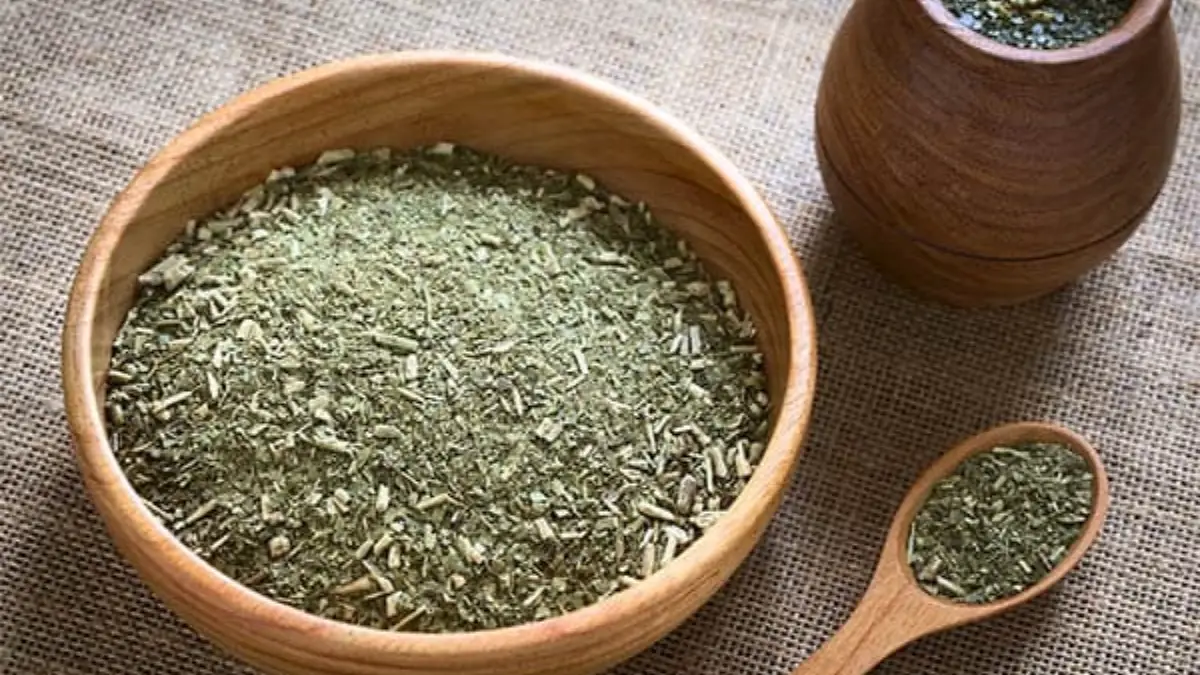
Caffeinated Yerba mate is a herb made from holly plants grown in South America that is commonly consumed in herbal teas or as dietary supplements such as energy drinks. This herb may provide you with a variety of health benefits and help you feel more energized.

Yerba mate products, especially herbal teas, are generally low in calories.

Duck Fat Nutrition Facts

Duck Fat

While butter and oils are common cooking ingredients, various other options can add flavor and nutrition to your dishes. Duck fat, in particular, has a rich flavor and a beautiful golden hue that would otherwise be difficult to achieve. Duck fat is a popular addition to fried or roasted potatoes, but it can also be used in croquettes, pie crusts, and even popcorn. For recipes that call for a high cooking temperature, many people prefer it.

Duck confit, a popular dish in many cultures, is made from salt-cured duck legs.

Rice Bran Oil Nutrition Facts

Rice Bran Oil

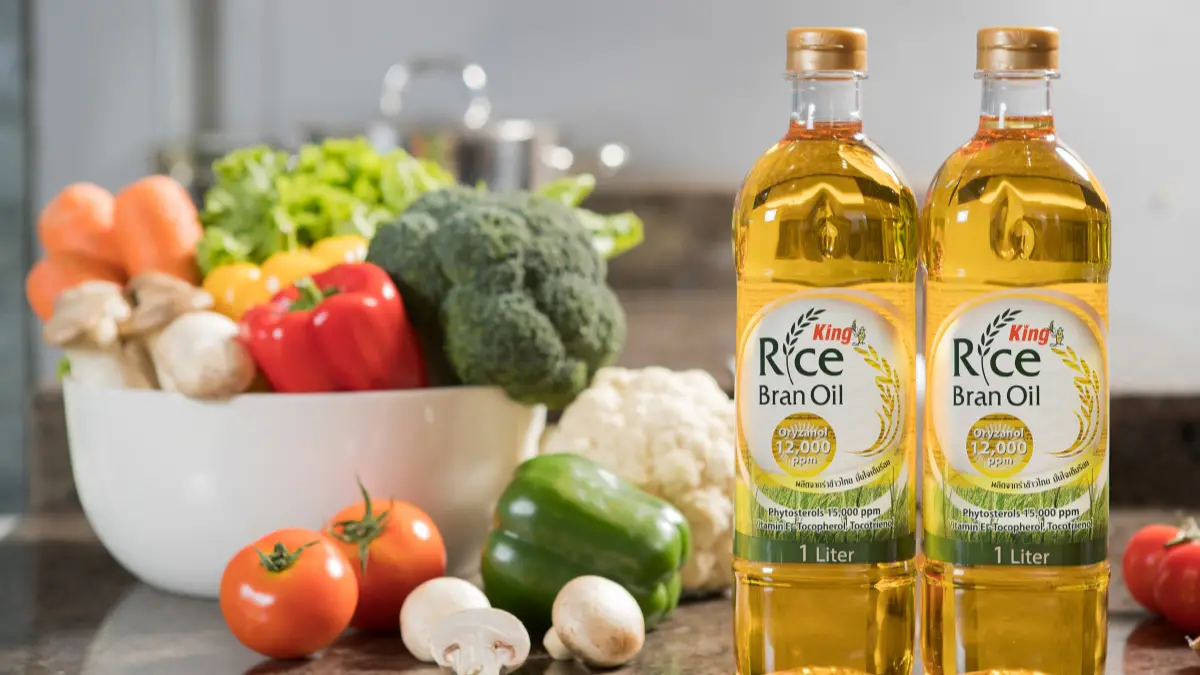
Rice bran oil is one of the healthiest cooking oils on the market. It offers the perfect ratio of polyunsaturated and monounsaturated fats for a healthy heart. Rice bran oil has been discovered to be beneficial to the skin and provides a variety of health advantages. Rice bran oil contains Vitamin E, which keeps your skin soft, supple, and wrinkle-free. Rice bran contains vitamin E, which enhances your immunity and helps your body fight infection and other common disorders.

Hard Boil Egg Nutrition Facts

Boiled Egg

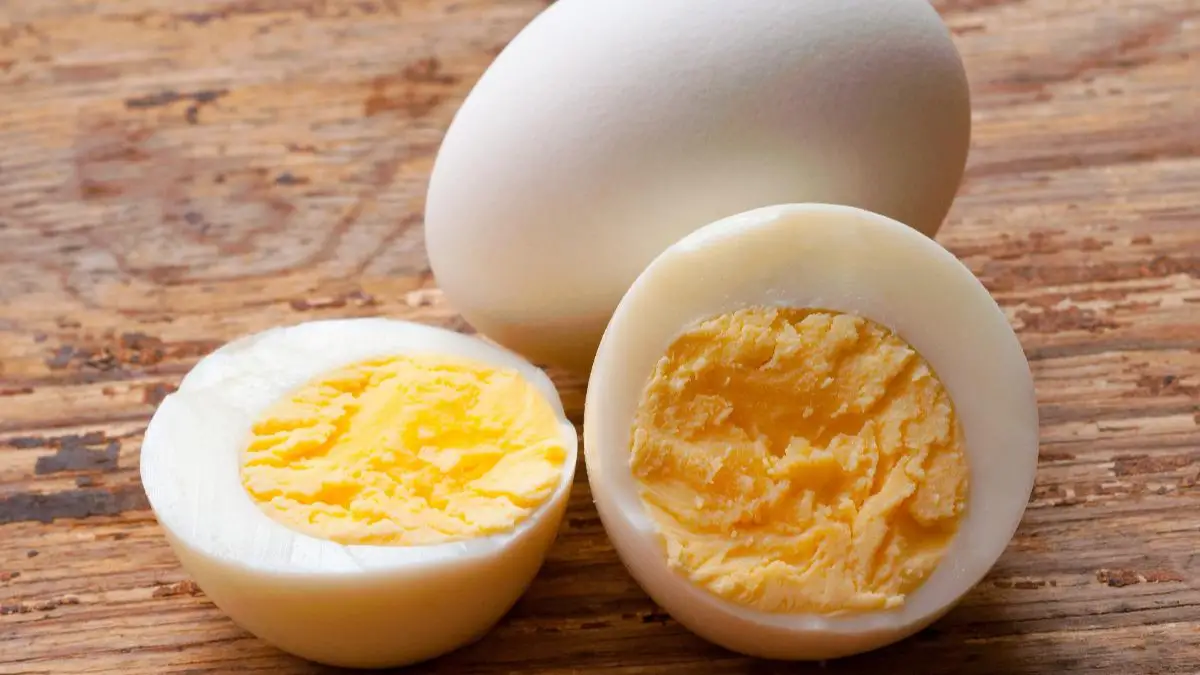
Eggs are among the best sources of a wide variety of nutrients. They have a wide variety of nutritional benefits, but they’re also easy to prepare, having a nutritious, portable breakfast in minutes. When cooked thoroughly, eggs are much less likely to contain harmful bacteria that can cause illness. Here’s a look at the hard-boiled egg nutrition facts with the yolk.

Soybean Oil Nutrition Facts

Soybean Oil

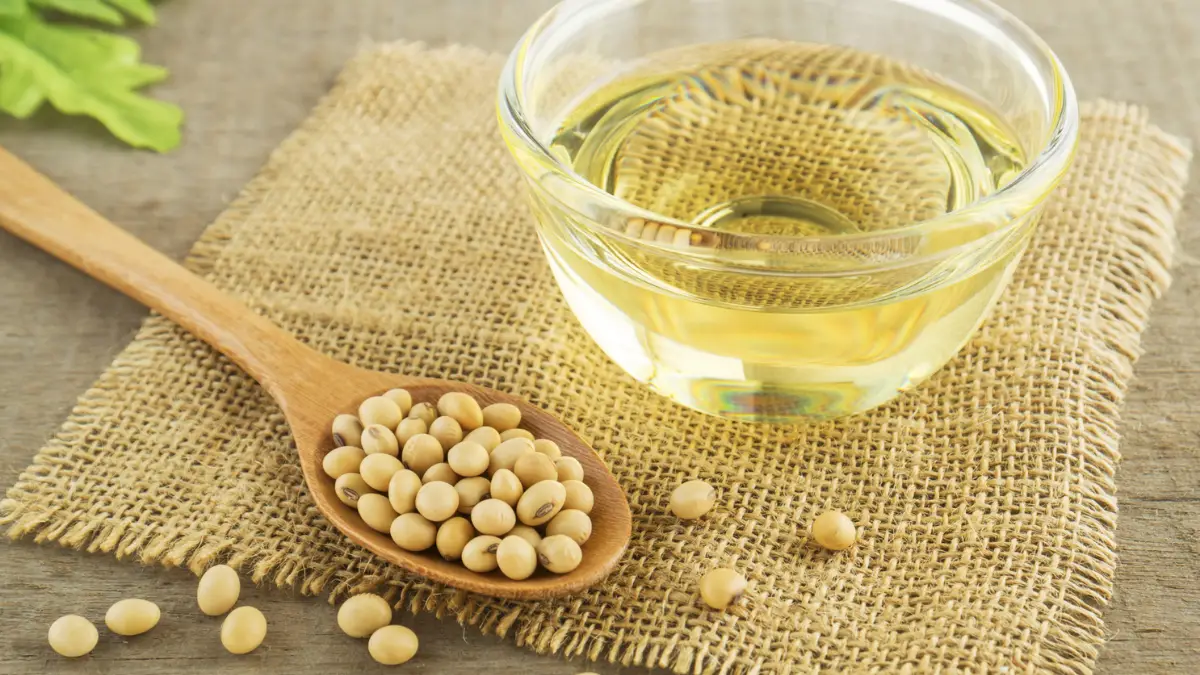
Soybean oil’s clean, natural flavour and its almost invisible scent complement and enhance the natural flavours of cooked foods. Soybean oil’s neutral flavour allows the genuine flavour of the food product to shine through.

Soybean oil is adaptable enough to be utilized in practically any fat or oil used in the kitchen. It blends well with other ingredients, especially fats and oils, and is great for salad dressings, sauces, and baked goods.

Catfish Nutrition Facts

Catfish is beneficial because of its nutrients. Even though it isn’t considered a fatty fish like salmon, Catfish is a good source of omega fatty acids. Eicosapentaenoic acid (EPA) and docosahexaenoic acid (DHA) are omega-3 fatty acids that are particularly useful to the brain, heart, immune system, and eyes.

Vitamin B12 is rich in Catfish, generally only found in animal food. This nutrient is necessary for your health because it aids in creating DNA and the proper operation of nerve and blood cells.

Nutrition Facts For Crawfish

Crawfish

The nutritional values for crawfish are presented when you cook them. These numbers are based on the USDA National Nutrient Database. If you’re concerned about crawfish nutrition, consider that the cuisine contains many calories. This cuisine is devoid of fibre and nutritional content. It has a lot of sodium and cholesterol, but it also has a lot of manganese. The moderate amount of iron in crawfish is its only nutritional value.

Like lobsters, shrimp, and crabs, crawfish are tiny freshwater crustaceans. Crawfish are found in about 600 different species all over the planet.

Sesame Oil Nutrition Facts

Sesame Oil

Sesame oil is the world’s best-tasting oil, and it gives food a delicious flavor. Cooks use sesame oil more as a condiment—a flavoring aid—than cooking oil, unlike most oils. The nutritional qualities of the sesame plant have led to its oil being dubbed the “Queen of Oilseeds” by some. Vitamin E, vitamin K, organic compounds, and other beneficial components are abundant in sesame oil.
Sesame was first cultivated over 5000 years ago, and it thrived where other crops failed.

Mustard Oil Nutrition Facts

Mustard Oil

Mustard oil has a plethora of health benefits. It can increase circulation while also acting as a strong stimulant, ensuring that your entire body functions properly and stays healthy. Mustard oil can help various biological systems, including the digestive, respiratory, and immune systems, to some extent. Mustard oil is a cooking oil that has antibacterial and antifungal properties and can be used to treat both internal and exterior infections. It is incredibly beneficial to your muscles’ growth and development.

Watermelon Juice Nutrition Facts

Watermelon Juice

Watermelon juice is a refreshing drink that both children and adults enjoy, and it easily ranks first on the health charts for the greatest summer drink. Watermelon juice has a cooling impact on our body, thanks to its abundance of water and critical nutrients. Juice from a watermelon Vitamins A, B6, B1, and C abound, each of which is valuable to humans in its manner.

Lycopene, a component found in watermelon juice, works with Beta-carotene to keep the heart robust and stable. Watermelon juice keeps you energetic all day, lowers blood pressure, and hydrates and moisturizes your skin.

Brazil Nuts Nutrition Facts

Brazil Nuts

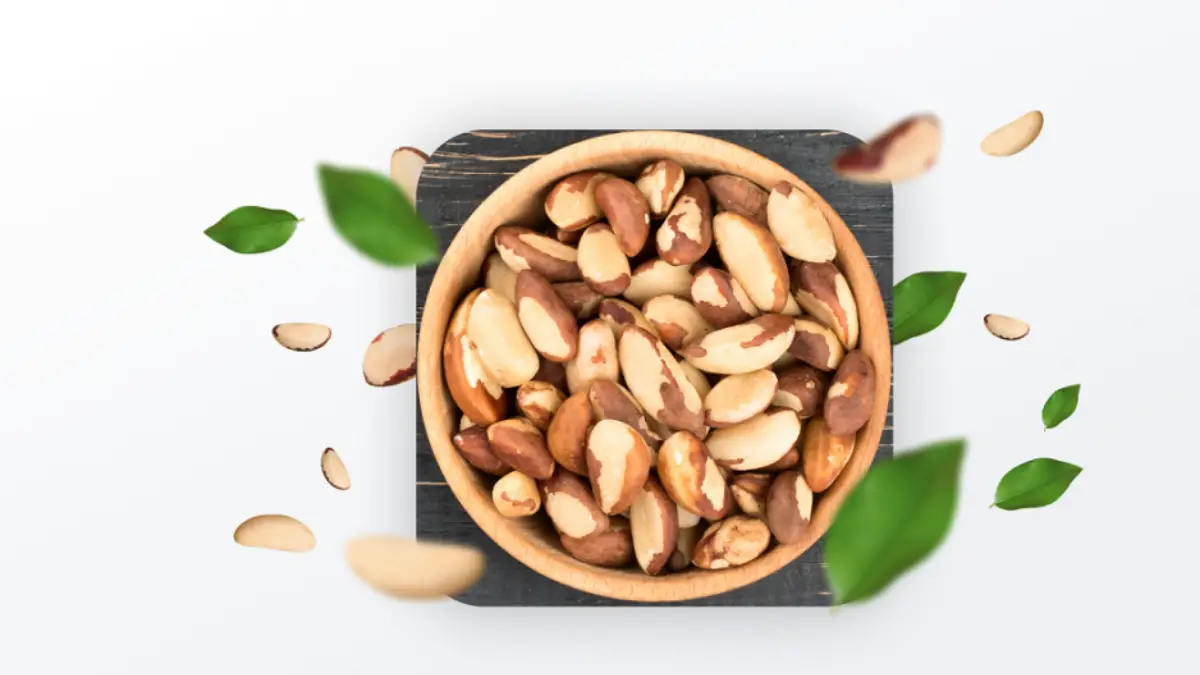
The Bertholletia excelsa, or Brazil nut, the tree is native to South America. They’re high in beneficial fats, protein, fiber, and selenium. Despite its name, the Brazil nut is technically a seed, not a nut. According to the definition, nuts are hard-shelled fruits with a single large seed. Pistachios and walnuts are two examples. Brazil nuts may provide unexpected and powerful nutritional benefits, such as improved heart health, antioxidants, and brain function.

The Brazil nut (Bertholletia excelsa) is a large nut high in good fats and micronutrients.

Walnut Oil Nutrition Facts

Walnut Oil

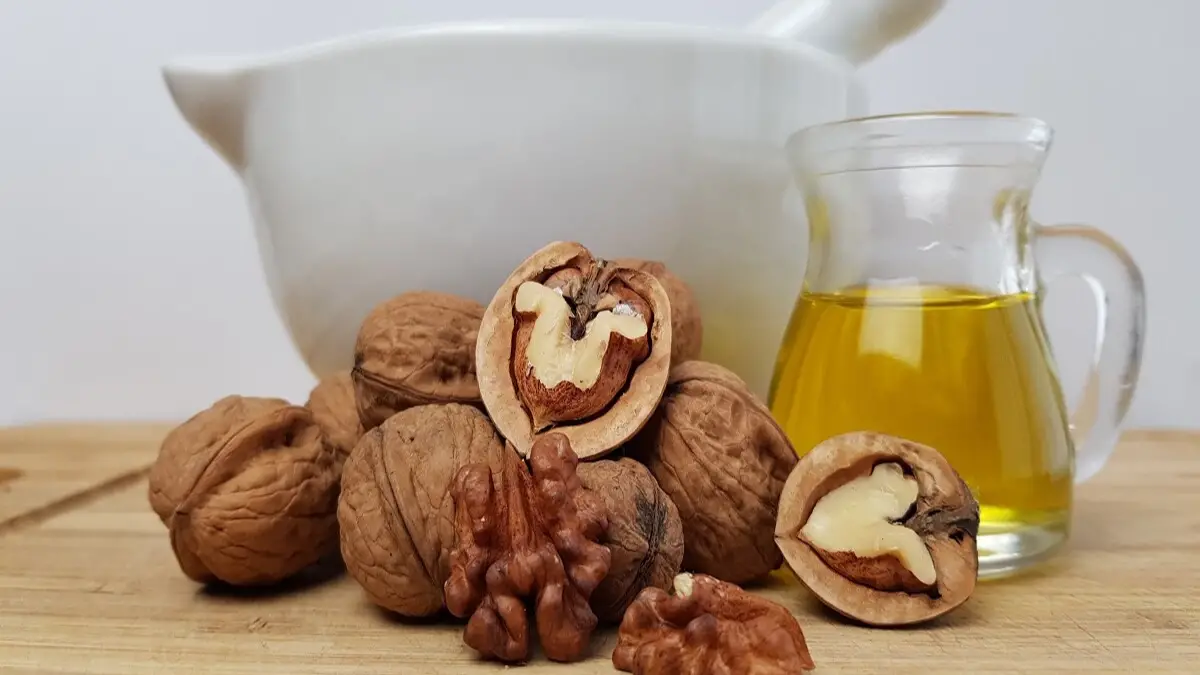
Walnut oil is the healthiest on the planet. They have more antioxidants and minerals than any other nut. Walnuts were first cultivated in ancient Persia and then spread around the world. They were a popular trade commodity and were frequently given to royalty. Modern scientists have discovered evidence to support many of these claims.

Cashew Butter Nutrition Facts

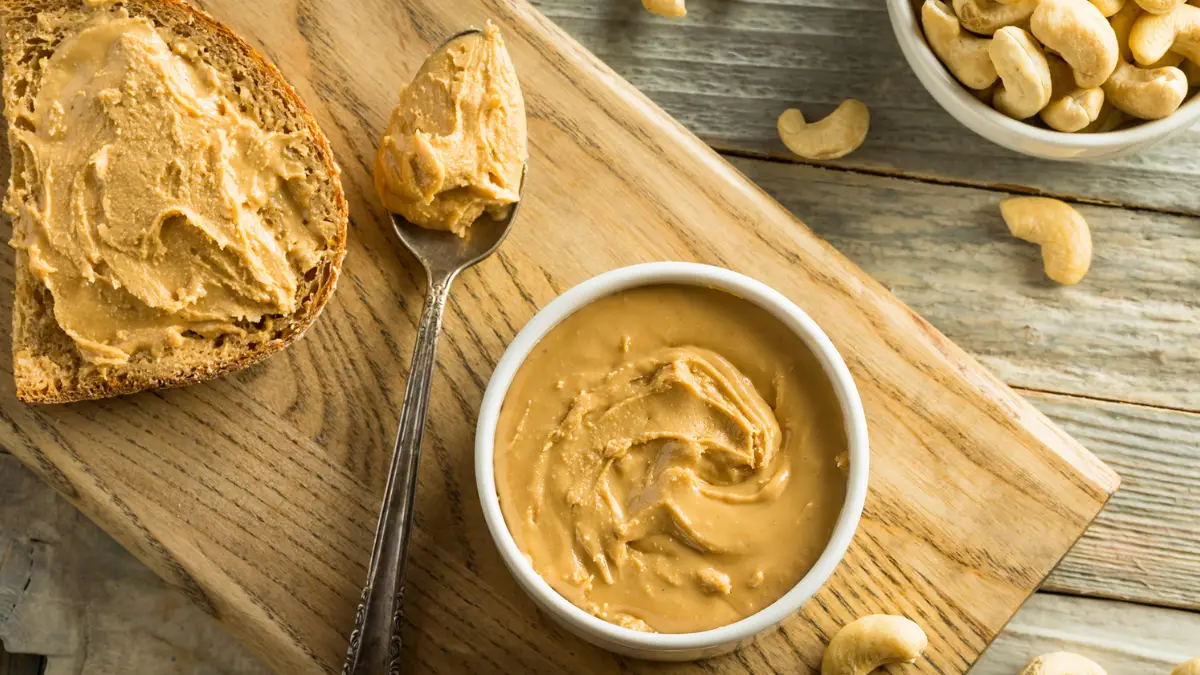
A tablespoon of cashew butter may suddenly transform a bland dish into something fascinating. Cashew butter is a nutrient-dense nut butter that is enjoyed worldwide. Cashew butter is well-known among nut butter fans for its health advantages and flavor. It provides us with 12% of our daily fat needs and 8% of our daily saturated fat requirement. It does, however, have less fat than most nuts.

Arrowroot Flour Nutrition Facts

Arrowroot Flour

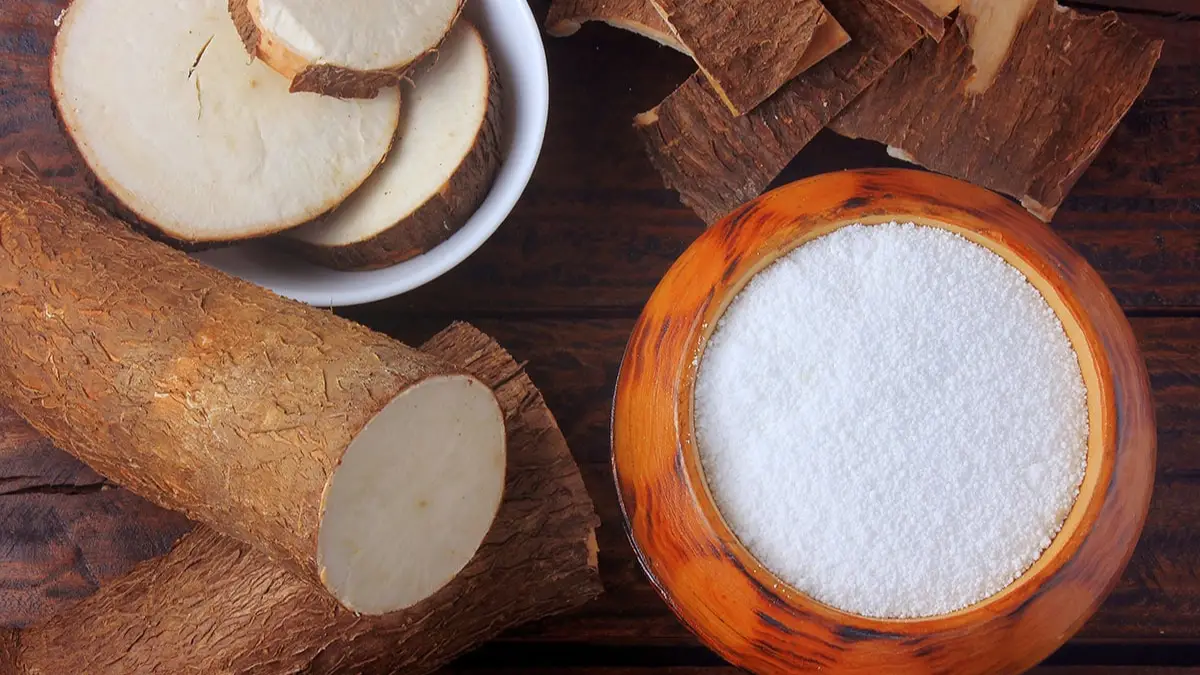
Having only one flour option for baking and frying is long gone. With the surge in gluten-free living, various alternative flours can be used to make baked products, sauces, gravies, and other dishes. Varied flours can offer different flavors and textures to recipes if you love experimenting with various flours or if you cannot consume wheat or gluten. Arrowroot flour is one such alternative.

Per cup of arrowroot flour, there are 457 calories. These, too, are almost exclusively derived from carbohydrates. Arrowroot flour is manufactured from the tuber of the arrowroot plant, which is native to Indonesia.

Swiss Cheese Nutrition Facts

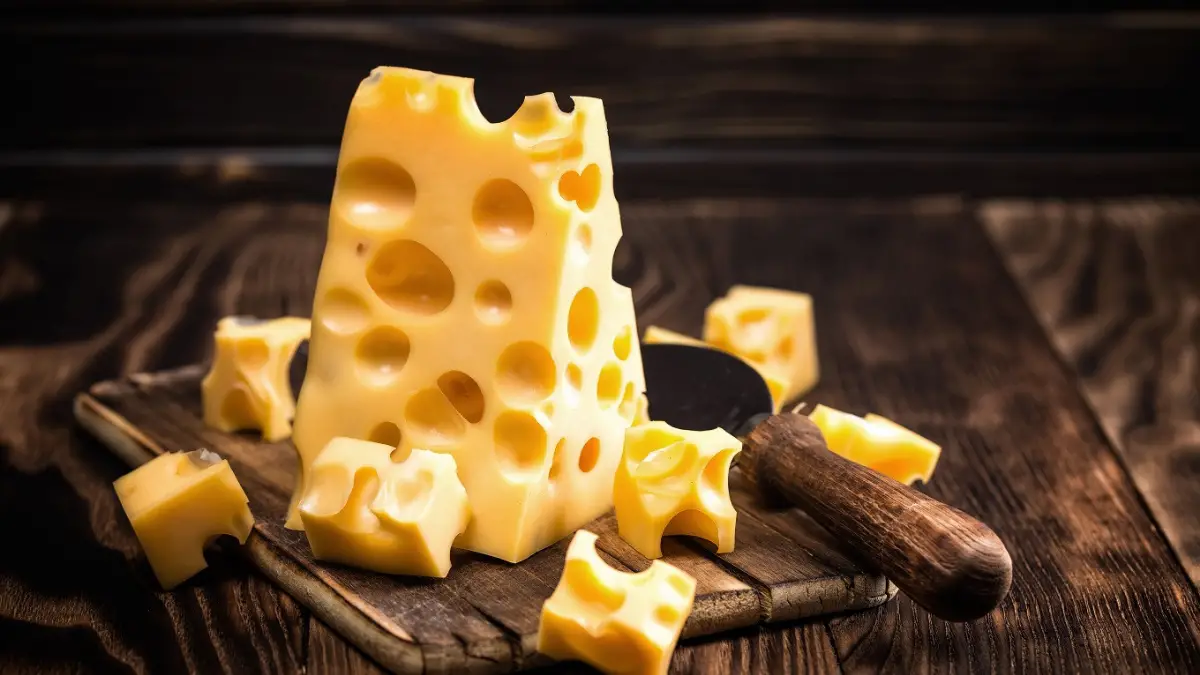
On the other hand, Swiss cheese is a pale yellow, slightly hard cheese created from cow’s milk in the United States. Emmental cheese from Switzerland served as inspiration. This cheese is recognized for its characteristic holes and harsh flavour caused by bacteria. It has several nutrients, yet you may ask if it is healthful. The advantages and disadvantages of Swiss cheese are discussed in this article.

There are a few things to keep in mind when eating Swiss cheese. Swiss cheese contains fat, salt, and lactose, which may be harmful to some people if taken in excess.

Vanilla Ice Cream Nutrition Facts

Vanilla Ice Cream

Vanilla ice cream is a perennial favourite. Like chocolate ice cream, Vanilla ice cream can be considered an original flavour. Although hundreds of new ice cream flavours have been developed, vanilla remains a favourite among many people. Vanilla ice cream can be enjoyed as a sweet treat sometimes. When people eat fewer calories from other foods, it can help them meet their calorie demands.

However, while vanilla ice cream is high in vitamins and protein, it can spike calorie levels and create health problems if consumed in large quantities.

Sauerkraut Nutrition Facts

Sauerkraut

Sauerkraut is high in vitamins and minerals. Because sauerkraut is low in calories and fat, it’s tempting to consume a lot of it, especially if you’re trying to lose weight. As with most foods, moderation is key to integrating sauerkraut into a healthy diet. Sauerkraut is rich in salt, with one serving containing 9% of the recommended daily intake.

Adding high-sodium sauerkraut to your routine won’t help because most Americans’ diets are already high in salt. Too much sodium in the diet can cause heart disease, stroke, kidney disease, and congestive heart failure.

Brown Sugar Nutrition Facts

Brown Sugar

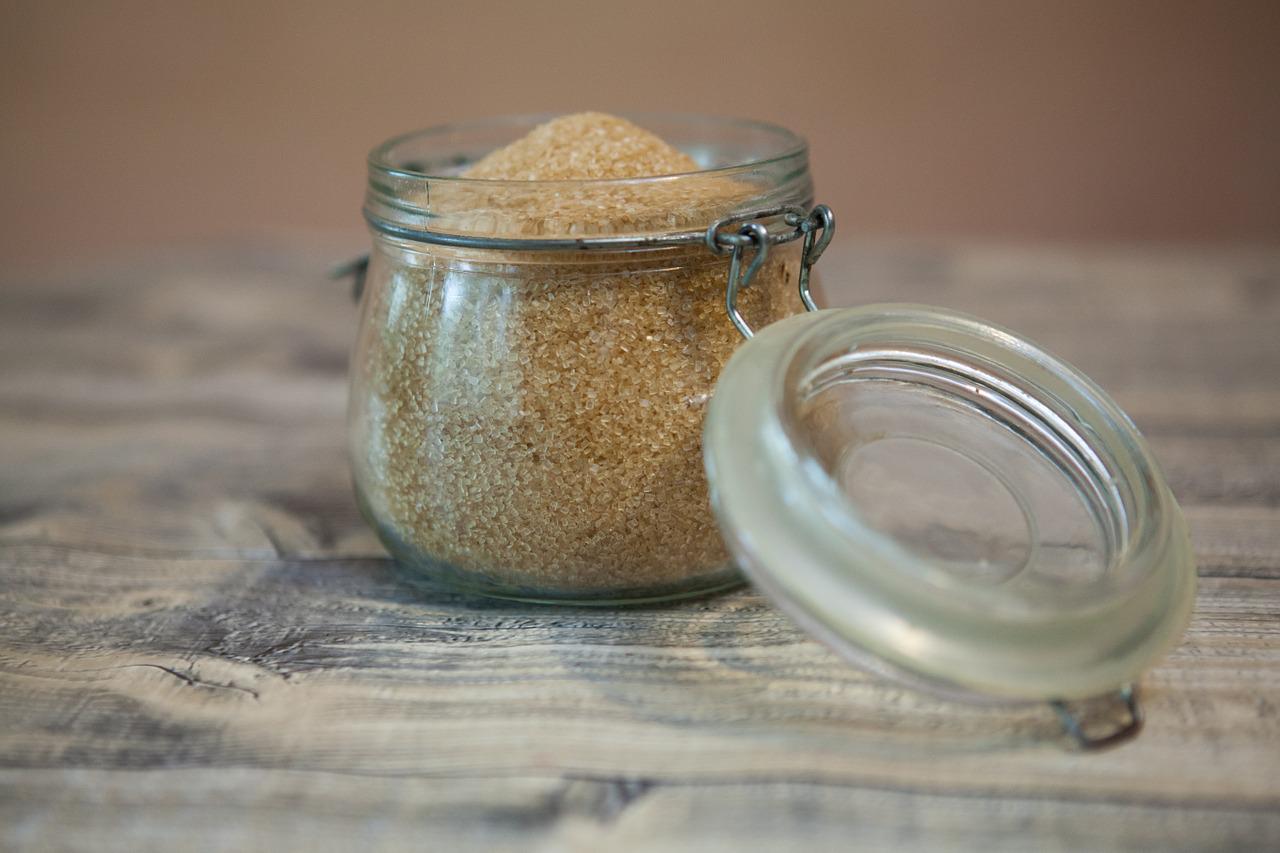
Brown sugar is a natural sweetener that can improve the flavor of a wide range of foods. Brown sugar is made from the juice of sugar beet or sugar cane plants, just like any other natural sugar. Brown sugar is made by combining white sugar and molasses, which gives it a unique flavor and nutritional profile. Brown sugar can be refined or unrefined, but most brown sugar sold in grocery stores is refined.

Black Currant Nutrition Facts

The Zante currant is commonly referred to as “currants” in the United States, the United Kingdom, and Ireland. These are dried Corinth grapes, which are essentially little raisins. True currants are little fruit that resembles gooseberries and grow on plants. Whether fresh, red, pink, white, or dried, black currants can be consumed. Currants have a sweet and tart berry flavour that is wonderful when eaten fresh.