Gouda Cheese Nutrition Facts
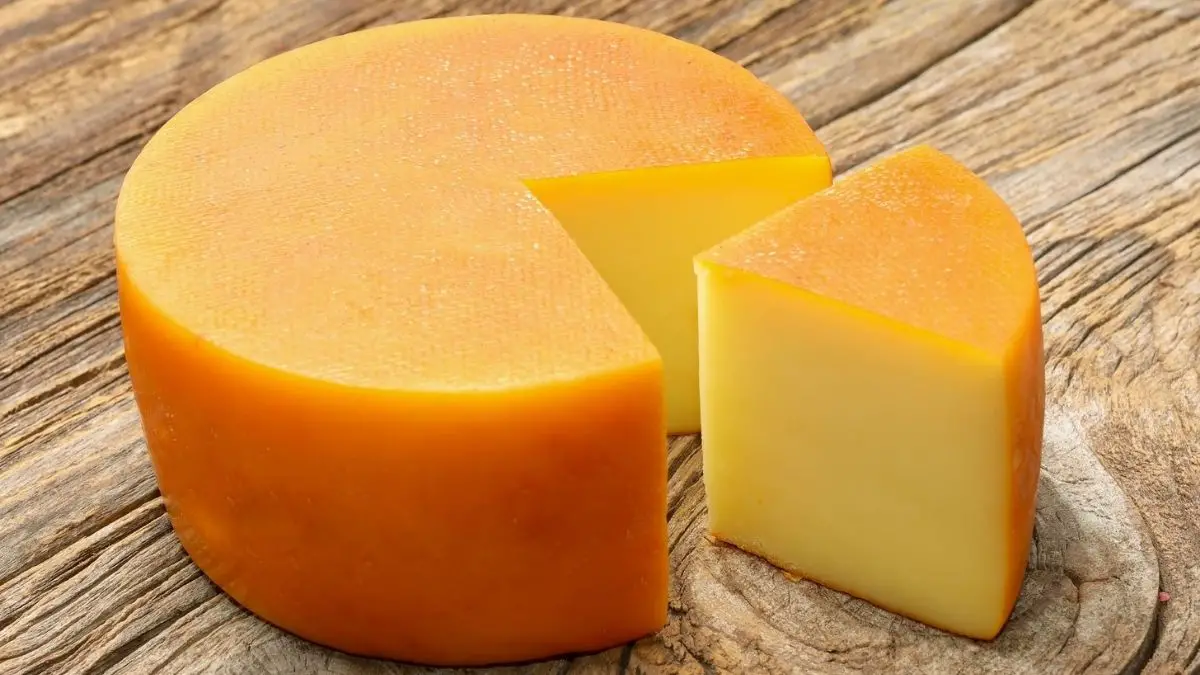
Gouda Cheese Nutrition Facts

Nutritional information about the cheese, Gouda, and Edam. The daily numbers are based on a 2000-calorie diet and a bodyweight of 155 pounds (change). Your daily nutrient requirements may fluctuate depending on your age, gender, amount of physical activity, medical history, and other factors. All information on this site is provided for educational purposes only and should not be used as a substitute for medical advice. Before making any dietary modifications, please with your doctor.

The nutrition labels on this site are mainly for illustrative purposes.

Margarine Nutrition Facts

Margarine

Margarine is made by mixing several different vegetable oils, and corn and soybean oil are two of the most frequent oils used in margarine. The oil is first hydrogenated, which is a chemical procedure that involves forcing hydrogen gas into unsaturated fatty acids to partially saturated the oil.

The majority of margarine is about 80% fat, and saturated and unsaturated fats combine to form this fat. Depending on the type of vegetable utilized, the saturated fat content of margarine can range from 7 to 86 percent.

Pumpkin Nutrition Facts

pumpkin

Pumpkin is a popular fall ingredient, but you might be wondering if it’s healthy. Pumpkin is nutrient-dense and low in calories, and it’s also more adaptable than you might think, and it can be used to make both savory and sweet dishes. One hundred grams of pumpkin contains 26 calories, 1 gram of protein, 7 grams of carbohydrates, and 0.1 grams of saturated fat. Pumpkin is high in vitamins A and C and potassium and phosphorus. The USDA has provided the following nutritional information.


Pumpkin (Cucurbita pepo or Cucurbita maxima) is a native North American squash variety.

Olive Nutrition Facts

Olive Nutrition Facts

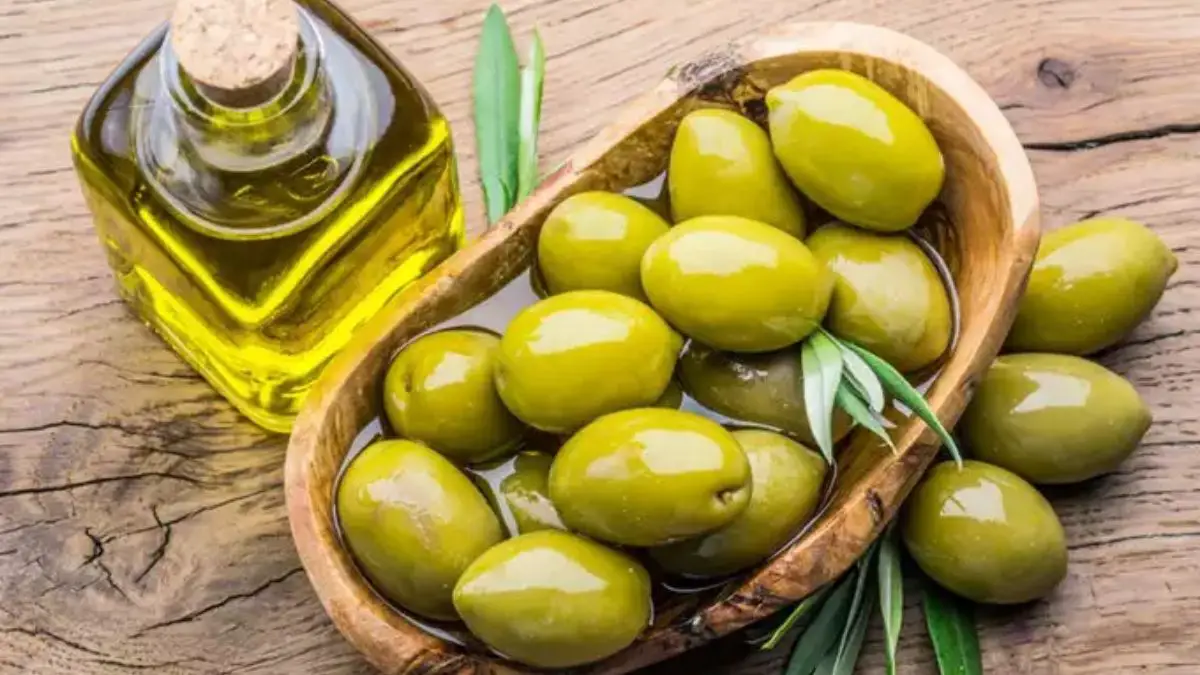
Olives are high in antioxidants, which may help with health benefits like lowering cholesterol and blood pressure. They may also lower your cancer and bone loss risks, but further research is needed. Fresh olives are very bitter and usually need to be cured and fermented before eating. Antioxidants such as oleuropein, hydroxytyrosol, tyrosol, oleanolic acid, and quercetin are abundant in olives. Vitamin E, iron, copper, and calcium are abundant in olives.

Oregano Nutrition Facts

Oregano Nutrition Facts

Oregano is not only a flavoring herb; it also has health advantages and is used as a home treatment for a variety of disorders. However, there isn’t enough scientific data to back up oregano’s medical claims. Oregano’s anti-inflammatory, antioxidant, and immunity-boosting qualities are attributed to phytonutrients, particularly carvacrol.

Oregano’s phytochemicals may aid reduce cough and muscle spasms and combat infections. Some believe it is also beneficial to the intestines, as it assists digestion by increasing bile flow (a fluid produced by the liver that aids fat digestion).

Whey Nutrition Facts

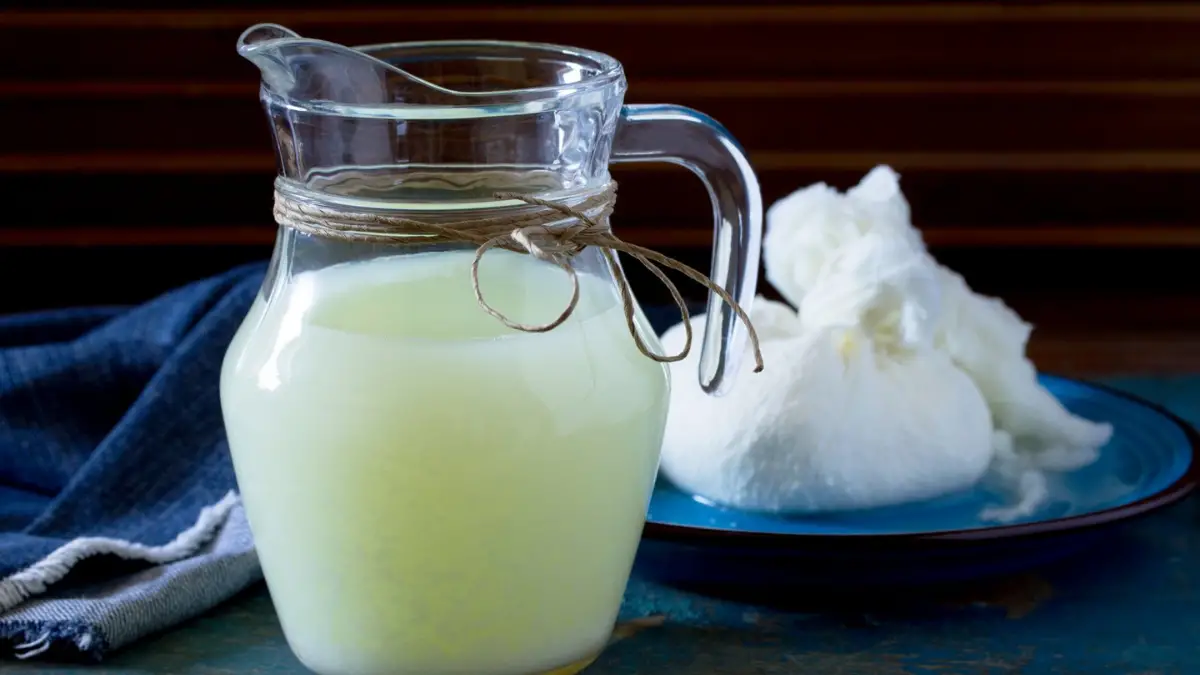
Whey liquid

You have various animal and plant-based options when boosting your protein intake with a protein powder. Whey protein powder is one of the most popular animal-based products, and this particular powder has some distinct health benefits.

Balsamic Vinegar Nutrition Facts

vinegar (2)

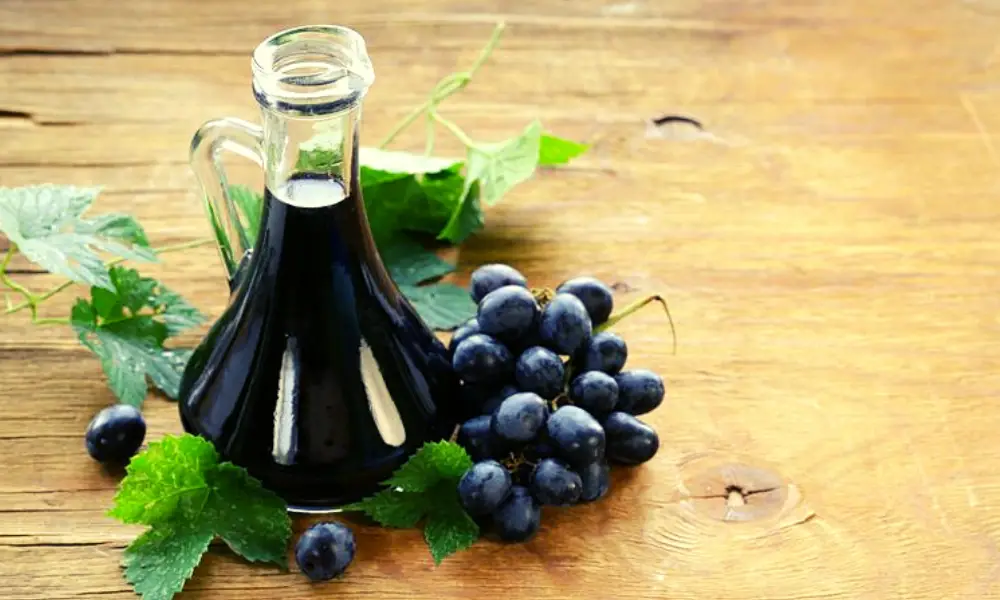
Balsamic vinegar is generally considered safe to use in cooking. It has a reduced calorie count, its sugar-free, and is fat-free. Balsamic vinegar also has several possible health benefits. Most balsamic vinegar, including this commercial, sugar-free balsamic vinegar, are keto-friendly. One hundred grams of balsamic vinegar typically includes 17 grams of net carbohydrates.

Balsamic vinegar is a healthy food additive low in natural sugar and fat, and it’s been shown to help decrease cholesterol and keep blood pressure in check.

Peanut Oil Nutrition Facts

Peanut Oil

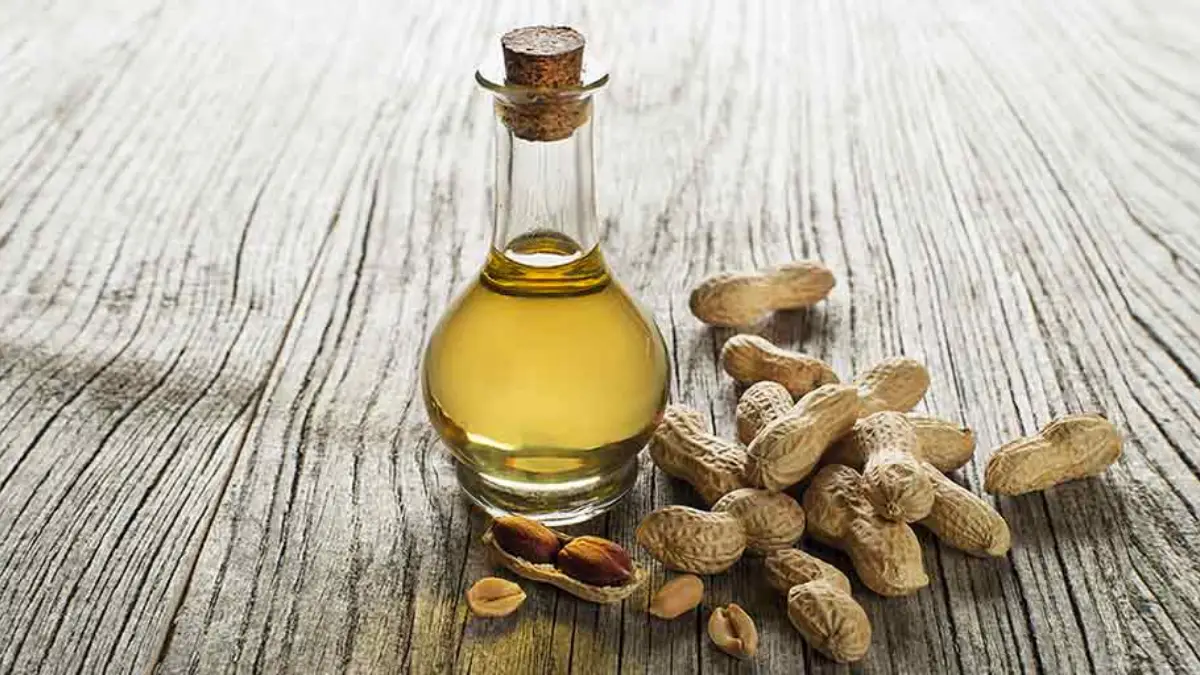
With so many cooking oils on the market, it’s challenging to determine which ones are healthier. Peanut oil is a popular cooking oil frequently used, particularly when frying meals. Peanut oil, on the other hand, has numerous health benefits. Peanut oil is high in vitamin E, an antioxidant with several health benefits, including protection against chronic disease. Because of this and its healthy fat content, peanut oil can be beneficial to your diet if consumed in moderation.


Peanut oil is a sweet, nutty, and fragrant organic edible oil made by pressing peanut kernels.

Cherry Nutrition Facts

Cherry Nutrition Facts

Let’s have a look at the nutritional value of cherries. Cherries are high in vitamin C, which is a potent antioxidant. They are fat-free, cholesterol-free, and sodium-free. Fiber, Vitamin A, and vital minerals, including iron, calcium, and protein. Cherry has a significant amount of potassium. Furthermore, cherries include other helpful components: boron, melatonin, and anthocyanins.

Cherries are high in antioxidants, with a wide range of health benefits. Cherries are excellent for you because they assist in preventing some types of cancer, reduce inflammation, prevent gout, relieve arthritic pain, and even aid you in losing tummy fat.

Whiskey Nutrition Facts

Whiskey

Whisky, often known as whiskey, is a distilled alcoholic beverage manufactured from fermented grain mash. Barley, corn, rye, and wheat are among the grains used for different kinds, some of which are malted. Whisky is usually aged in hardwood casks, either ancient sherry casks or charred white oak casks. Whisky is a highly controlled liquor that comes in various grades and varieties.

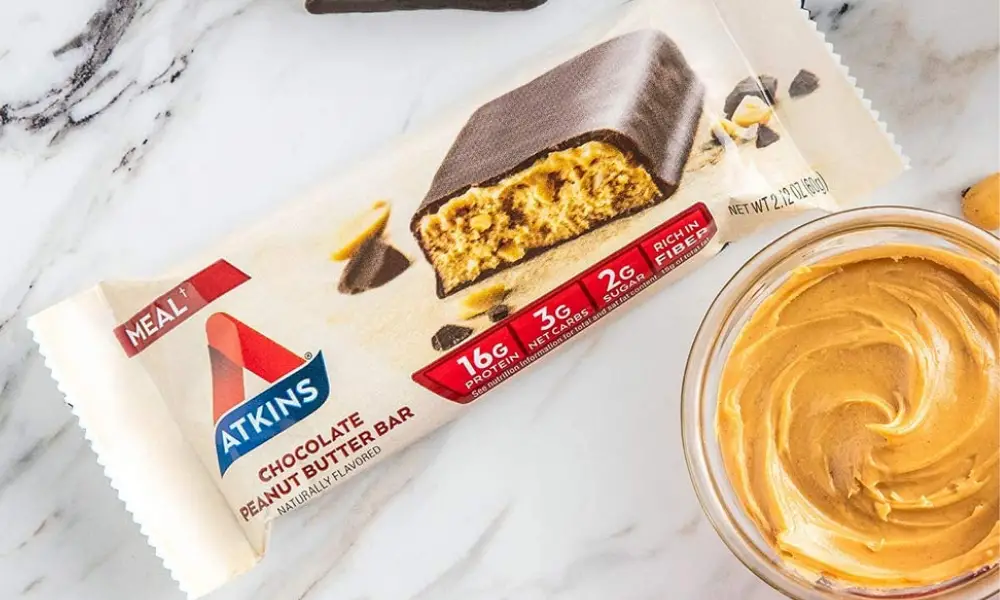
Atkins Chocolate Peanut Butter Bar Nutrition Facts

chocolate bar

If you’re considering starting a low-carb diet, you’ll want to know the Atkins Peanut Butter Bar’s nutrition facts. These bars are highly processed and filled with unhealthy fats and artificial sweeteners. While they provide a decadent taste, their high-intensity sweeteners are associated with adverse health outcomes. You should steer clear of these bars and look for alternative foods to satisfy your hunger.

While Atkins protein bars contain more protein than most other snacks, they are also higher in calories. A single bar contains about 250 calories and 16 grams of protein.

Green Banana Nutrition Facts

green banana

Green bananas are the same bananas you’d eat for breakfast or a snack if they were ripe, but in the Caribbean, they’re used as vegetables, mostly in savory meals. Green bananas may have additional nutrients and benefits not found in yellow bananas. They’re high in resistant starch and pectin, which are filling, beneficial to digestion, and aid with blood sugar control. On the other hand, some dislike green bananas because of their bitter taste and mushy texture.

Green bananas, also known as unripe bananas, have not yet converted all of their resistant starch into digestible sugars in the body.

Blueberry Nutrition Facts

Blueberry

Blueberries are a popular and sweet fruit that originated in North America and is now commercially farmed throughout the Americas and Europe. They’re low in calories and high in nutrients, with the potential to help with blood sugar regulation and heart and brain health. Blueberries are a good source of numerous vitamins, beneficial plant compounds, and antioxidants and are often touted as a superfood.
Blueberry Nutrition Facts
Blueberries Have a Lot of Health Benefits
Anthocyanin, a type of flavonoid, is responsible for many of blueberries’ health advantages. Flavonoids are plant chemicals with potent antioxidant properties.

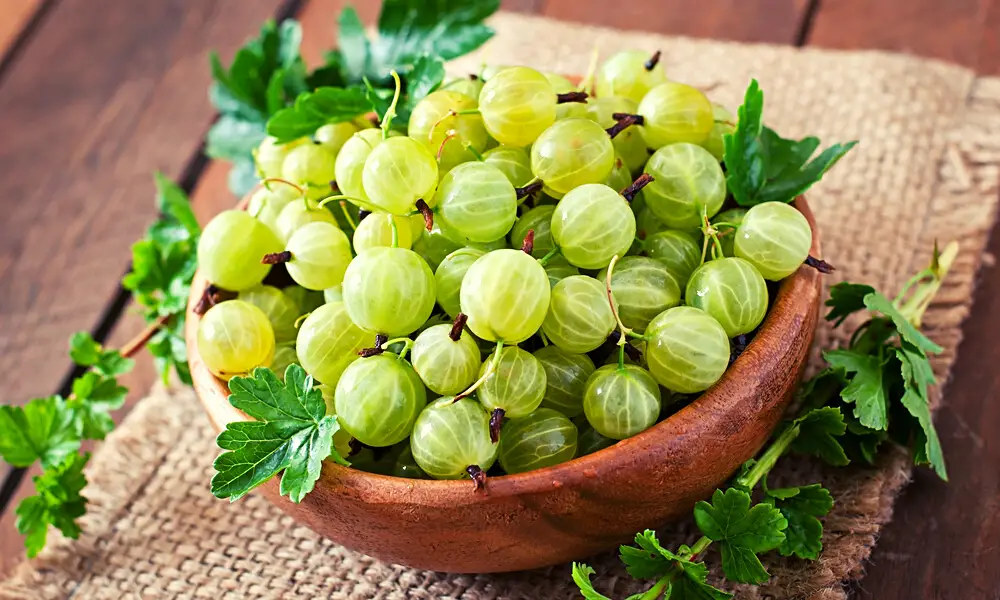
Gooseberry Nutrition Facts

gosseberries (1)

Gooseberries are a low-calorie, high-nutrient fruit high in vitamins, minerals, and antioxidants. Though there isn’t much research on gooseberries, several minerals have been linked to significant health advantages. Lower blood sugar, cholesterol, blood pressure levels, and a lower chance of cancer, diabetes, heart disease, and age-related cognitive disorders are just a few benefits.

Gooseberries are a delicious, healthful fruit to eat as a snack or a tasty complement to meals. Amla, also known as Indian gooseberries, grows on the same-named flowering tree. The berries are tiny and spherical, with brilliant or yellow-green colors.

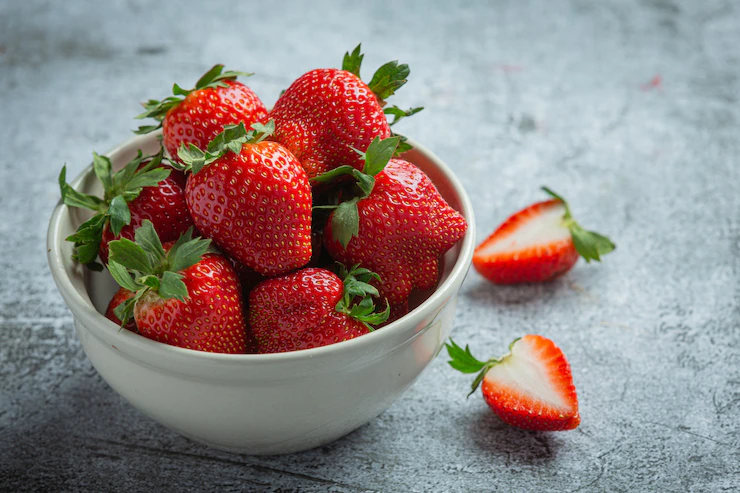
Strawberries Nutrition Facts

Strawberries

If you’re looking for a tasty treat, the Strawberries Nutrition Facts may interest you. This fruit has a low glycemic index and is high in antioxidants, and these qualities aid in blood sugar regulation and the prevention of diabetes and its consequences. Strawberry is also high in fiber, folate, potassium, and other essential elements. Flavonoids, bioactive molecules, protect the body from chronic diseases due to their high amounts.

Strawberries have been demonstrated to reduce blood sugar levels and boost heart health studies.

Juniper Berries Nutrition Facts

Juniper Berries

The multiple advantages of juniper berries can be ascribed to their nutrient-dense nature. The evergreen plant Juniperus communis bears these delicious berries. They have an earthy, woody scent and a sour flavor, and they’re utilized in cooking. Asia, North America, and Europe are all home to juniper berries. Let’s take a closer look at the multiple benefits, nutritional information, and potential adverse effects of juniper berries. Scroll down to find out more.

In addition to potassium, magnesium, vitamin C, calcium, limonene, iron, copper, and chromium.

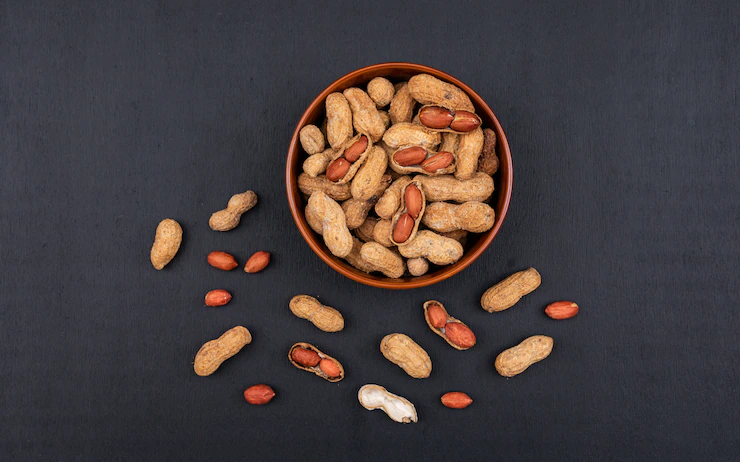
Peanuts Nutrition Facts

Peanuts provide healthy calories due to their high protein and fat content. On the other hand, the antioxidants in it minimize oxidative stress, lower blood sugar, and promote heart health. Peanuts are a low-cost, readily available legume high in vitamins, trace elements, and minerals. Peanuts can be consumed raw as a snack or cooked into several recipes, ranging from a high-calorie breakfast to a post-workout drink to a dessert. Peanuts’ calories are beneficial to one’s health and fitness.

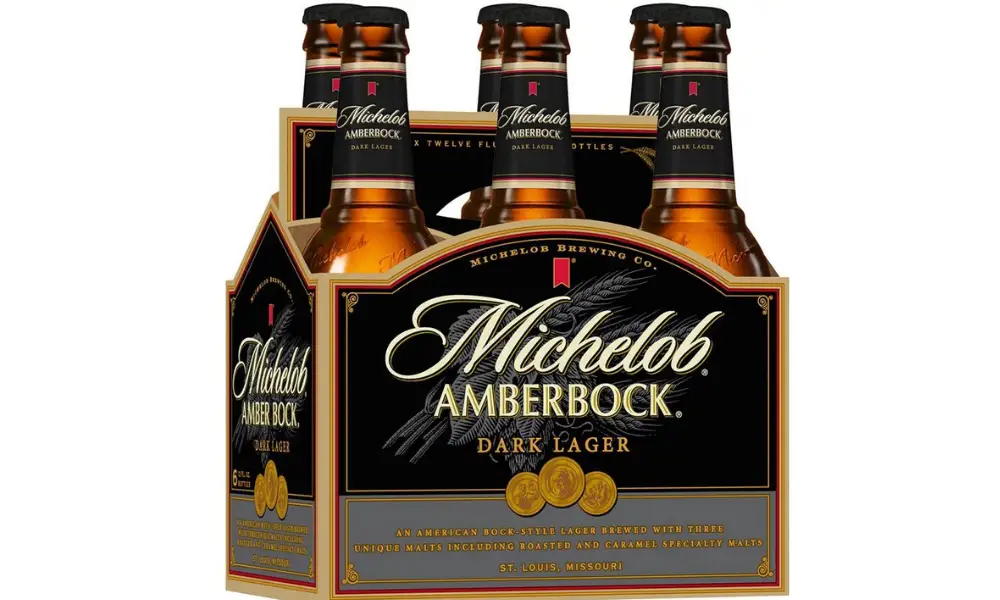
Amber Bock Beer Nutrition Facts

beer (1)

When it comes to amber bock beer nutrition facts, you might be surprised to learn that it has a low carbohydrate content. This beer is ideal for individuals who want to prevent belly fat, bitter burps, and hallucinations, as it contains only 12 grams of carbs per 12-ounce cup. It’s also minimal in calories and carbs, which helps avoid the adverse effects of alcohol. Amber bock is one of Anheuser Busch’s most popular alcoholic beverages.

Amber bock beer nutrition facts: This lager contains 152 calories per 12 oz bottle and has a 5.2 percent ABV.

Pina Colada Nutrition Facts

Pina Colada

A pia colada is a tropical cocktail that includes rum, coconut milk, pineapple juice, and coconut cream. It can be blended or shaken, and a pineapple wedge or maraschino cherry can be added as a garnish. The nutritional information for a pia colada may be found below. It also contains a lot of sugar, so keep your consumption of this tropical drink to a minimum.

174 calories are in a 100g Pina Colada. Carbohydrates account for the majority of these calories.